


Every festive season, brands gear up for the Indian consumer in much the same way: new launches, special collections, festive packaging, promotions and bigger advertising spends.
But I think we may be looking at the opportunity too narrowly.
Instead of only asking what Indians are going to buy this festive season, perhaps the more interesting question is: who is actually shaping the decision?
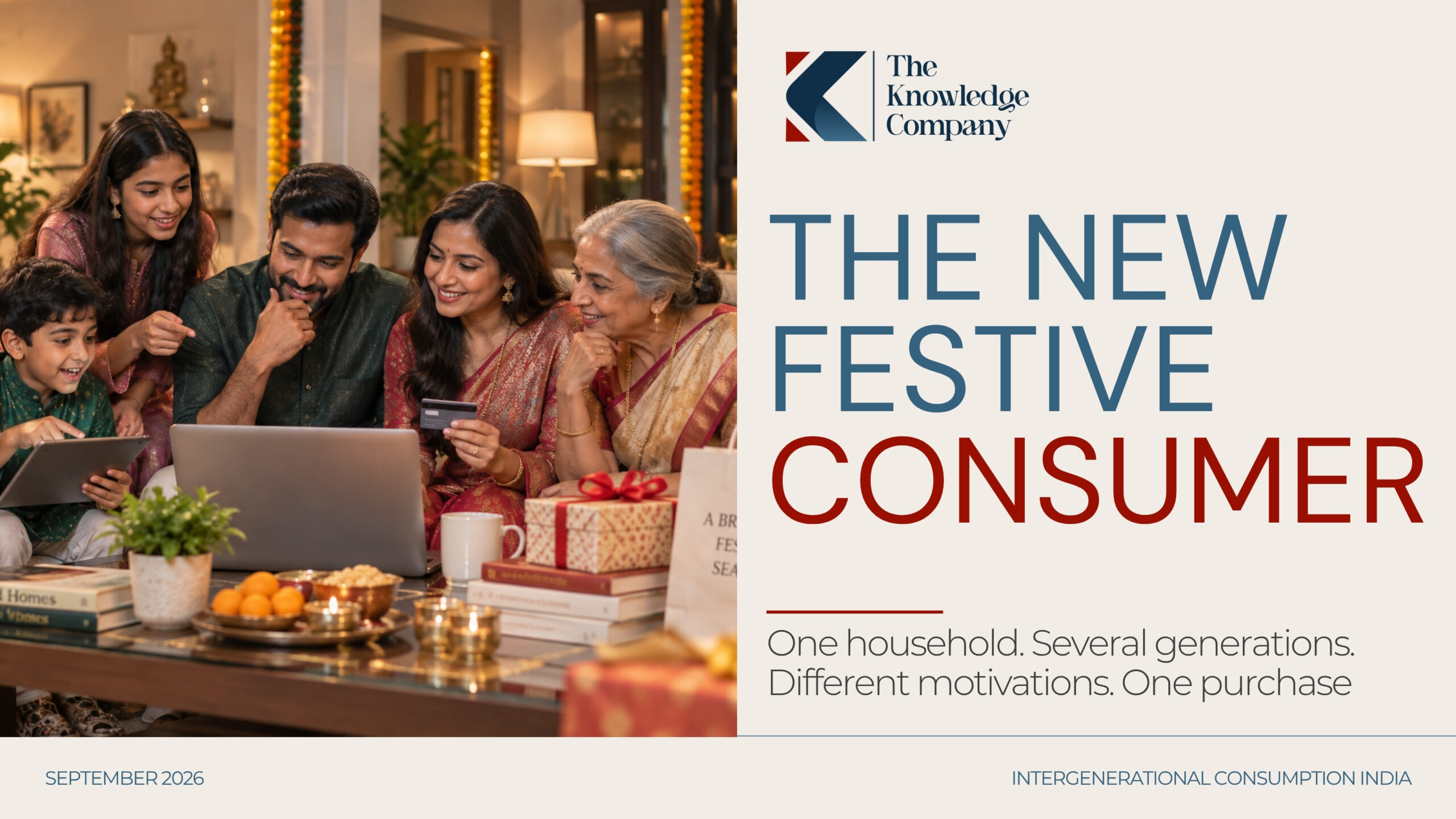
Think of a typical household.
A teenager discovers a sneaker on Instagram. A younger child wants a gadget seen on YouTube. The parents compare prices, reviews and delivery options. The grandparents have a view on whether the purchase is sensible, appropriate or even necessary. Eventually, one person pays.
One household. Several generations. Different motivations. One purchase.
To me, this is one of the most important shifts in the Indian consumer landscape.
India’s next consumption story will not be about one generation simply replacing another. Gen Z will not make millennials irrelevant, and Gen Alpha will not suddenly take over from Gen Z.
The reality will be far more layered.
Different generations will increasingly consume alongside one another, influence one another and, in many cases, shape the same purchase in very different ways.
The festive season is perhaps the best time to observe this in action.
Much of the conversation around the future consumer tends to focus on youth.
For a while, everything was about millennials. Then brands turned their attention to Gen Z. Now Gen Alpha is already entering conversations about the next big consumer cohort.
That makes sense. India has a very young population, and younger consumers are shaping culture, language, trends and consumption behaviour at a speed which brands cannot ignore.
But another change is taking place at the same time – India is also ageing.
People are living longer, staying active for longer and remaining economically relevant for longer. Family structures are changing. Life stages are stretching. A consumer in their sixties today is very different from a consumer of the same age twenty or thirty years ago.
So, the future Indian consumer market is not simply getting younger.
It is becoming more age diverse.
That means brands may increasingly need to understand a teenager, a thirty-five-year-old parent, a fifty-five-year-old professional and a seventy-year-old grandparent within the same consumer ecosystem.
Sometimes, quite literally, within the same home.
Traditional consumer thinking often starts with the question: who is the target audience?
But that question becomes harder when different people play different roles in the purchase.
Why the Buyer, User and Influencer May Be Different People
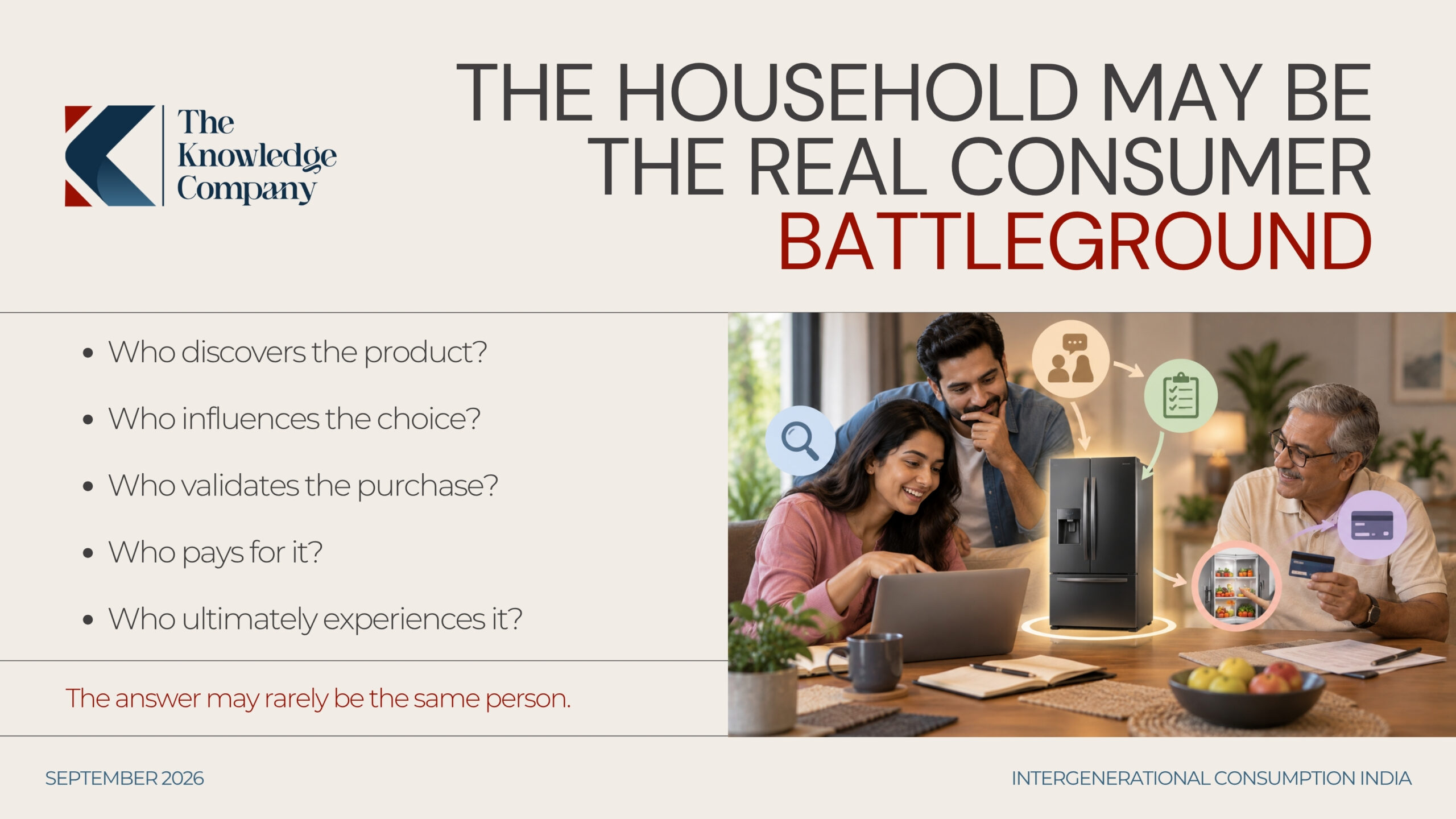
The person who discovers the product may not use it.
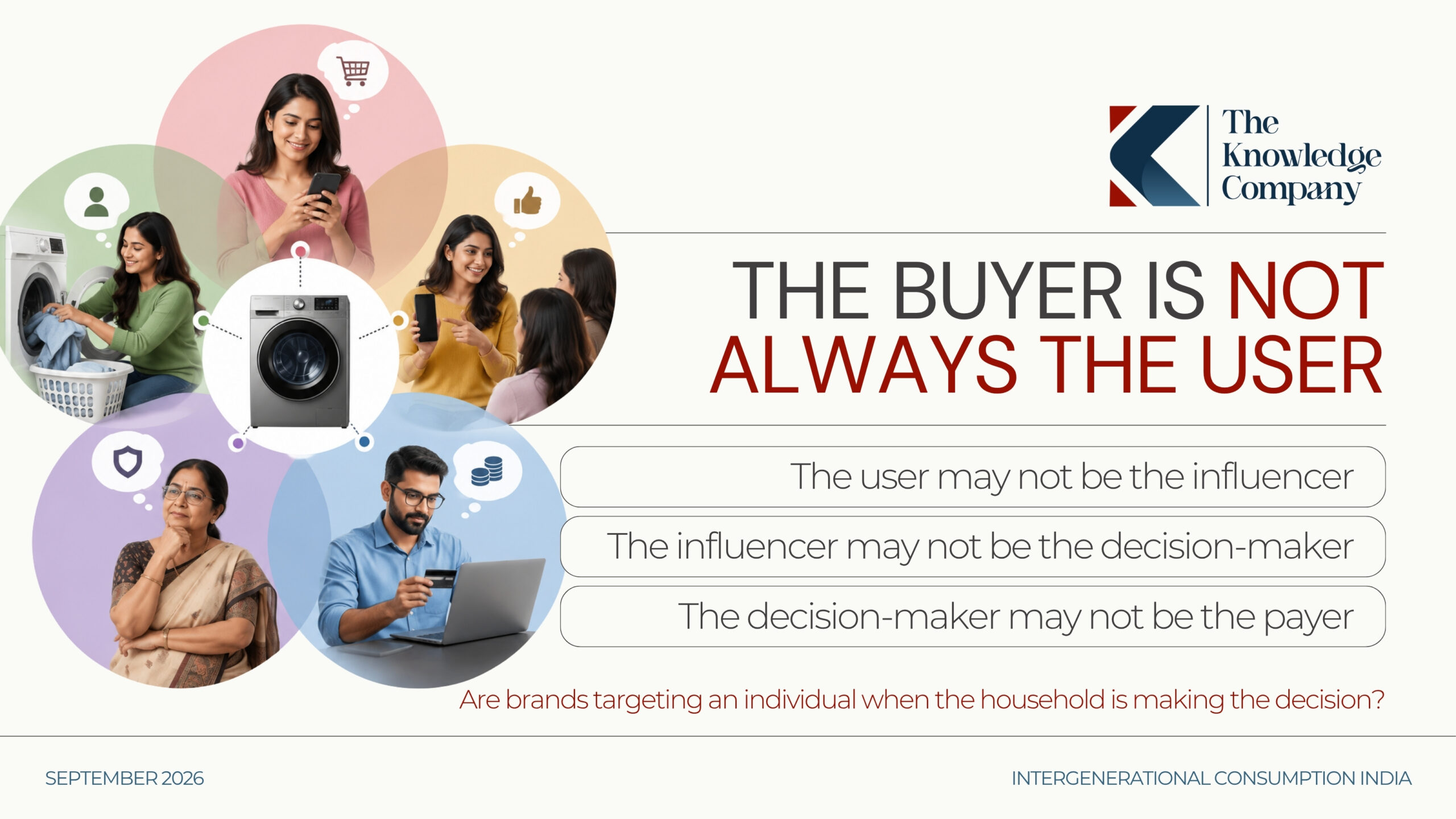
The person who uses it may not choose it.
The person who chooses it may not pay for it.
Take something as common as buying a television before Diwali.
The youngest member of the family might want the biggest screen. Someone younger may care about gaming, connectivity and design. The parents may focus on features, warranty and price. The grandparents may prefer a brand they trust.
Eventually, one person completes the transaction.
But who was the consumer?
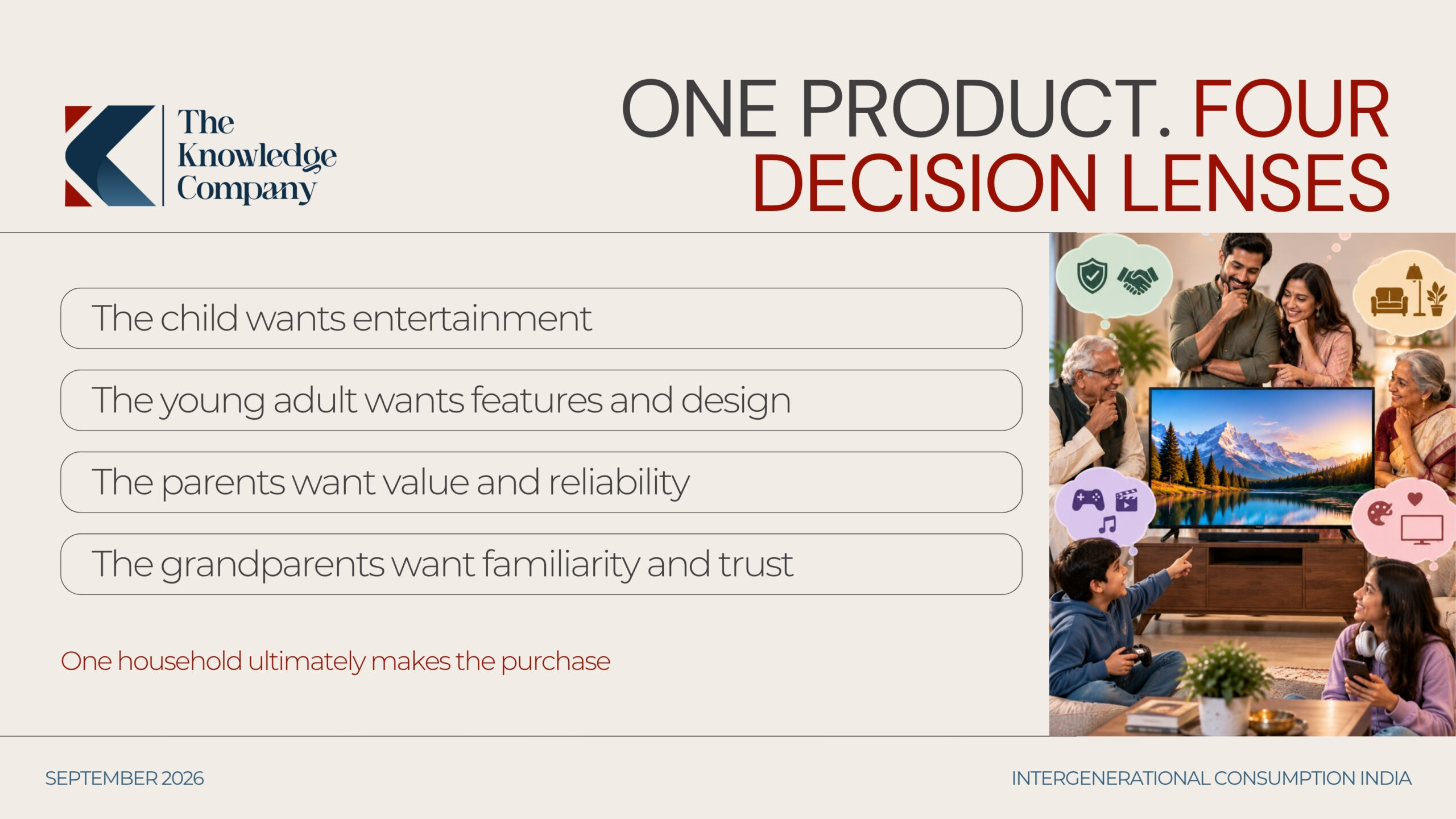
In reality, all of them played a role.
The same thing happens with cars, holidays, fashion, beauty, electronics, restaurants, gifting and even choices around where and how a family celebrates.
Understanding the Festive Household Stack
I think of this as a kind of Festive Household Stack:
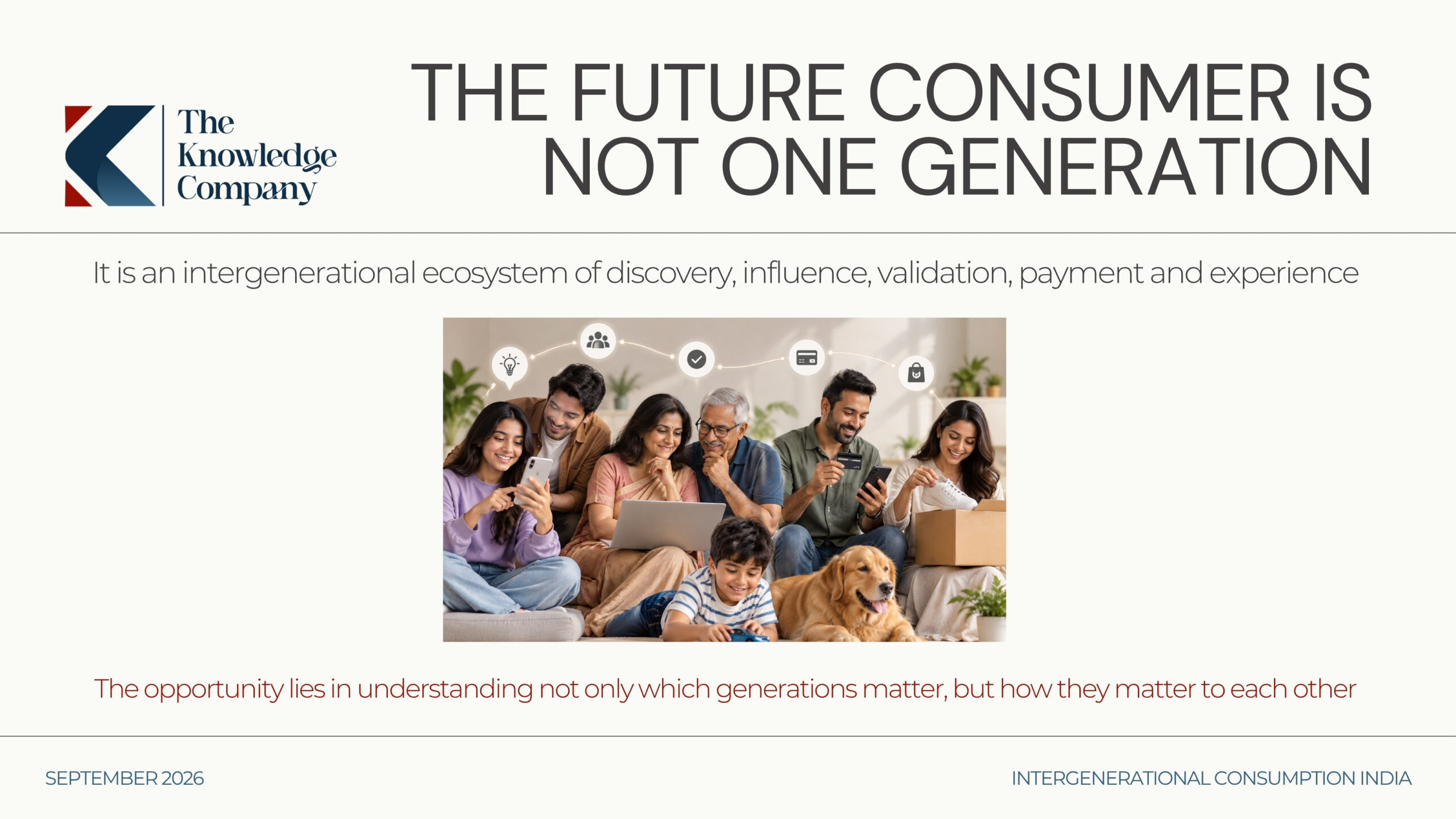
Discovery → Influence → Validation → Approval → Payment → Experience
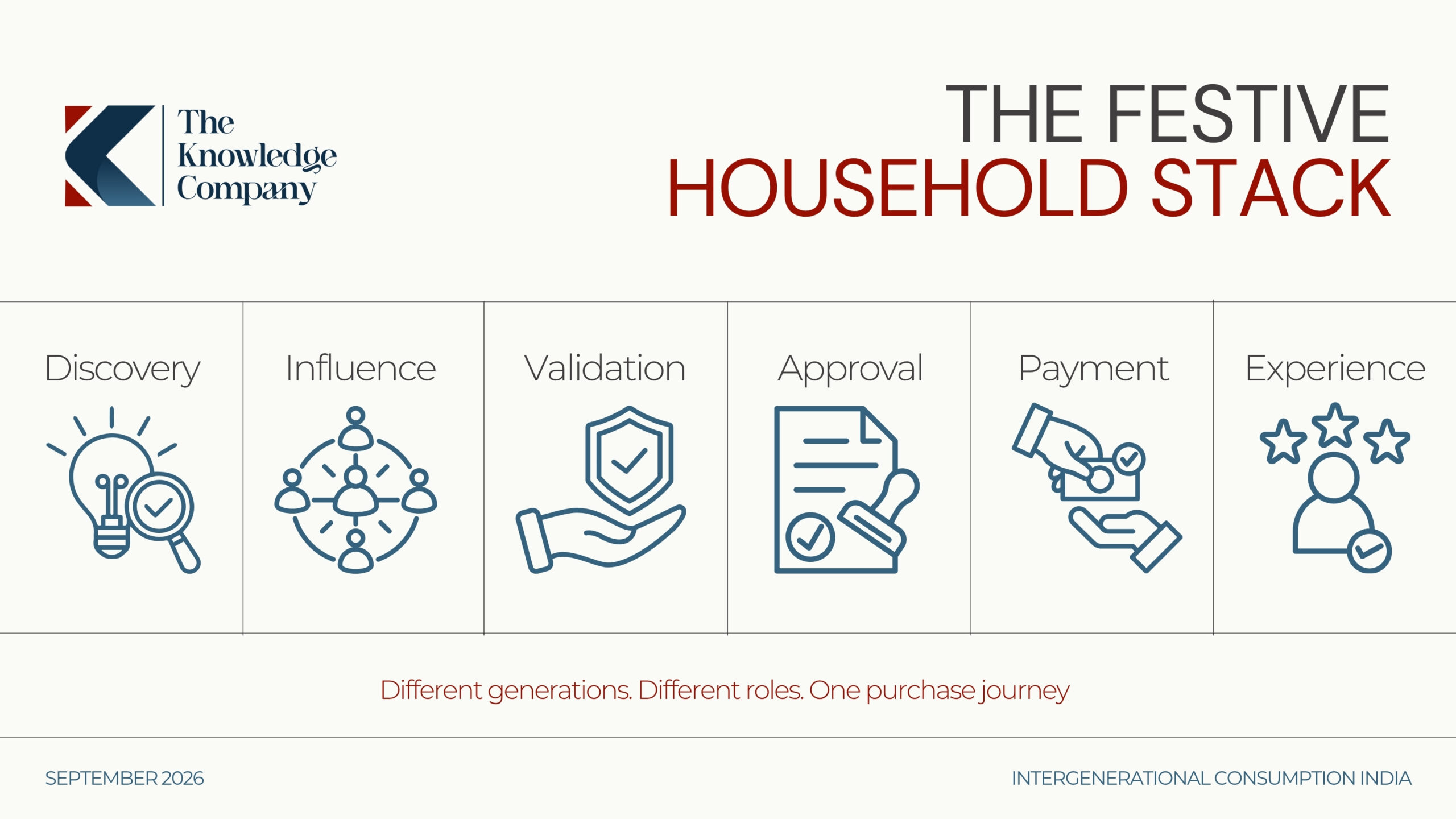
Different generations may sit at different points in that chain.
For brands, this matters because understanding only the person who finally clicks “buy” may mean missing most of what actually drove the purchase.
There is another assumption we often make when discussing younger consumers: that modernisation means moving away from tradition.
I don’t think that is what is happening.
Young Indians are not necessarily rejecting festivals, weddings, gifting, family gatherings or cultural rituals.
They are changing the way those traditions are expressed.
Creators Are Changing Festive Discovery
The festive outfit still matters, but the inspiration may come from a creator rather than a catalogue.
The box of mithai still has a place, but it may now be artisanal, personalised, healthier or simply more beautifully packaged.
The family meal remains important, though it may happen at a restaurant rather than at home.
A festive break may turn into a short holiday.
A traditional gift may sit alongside beauty, technology, sneakers or an experience.
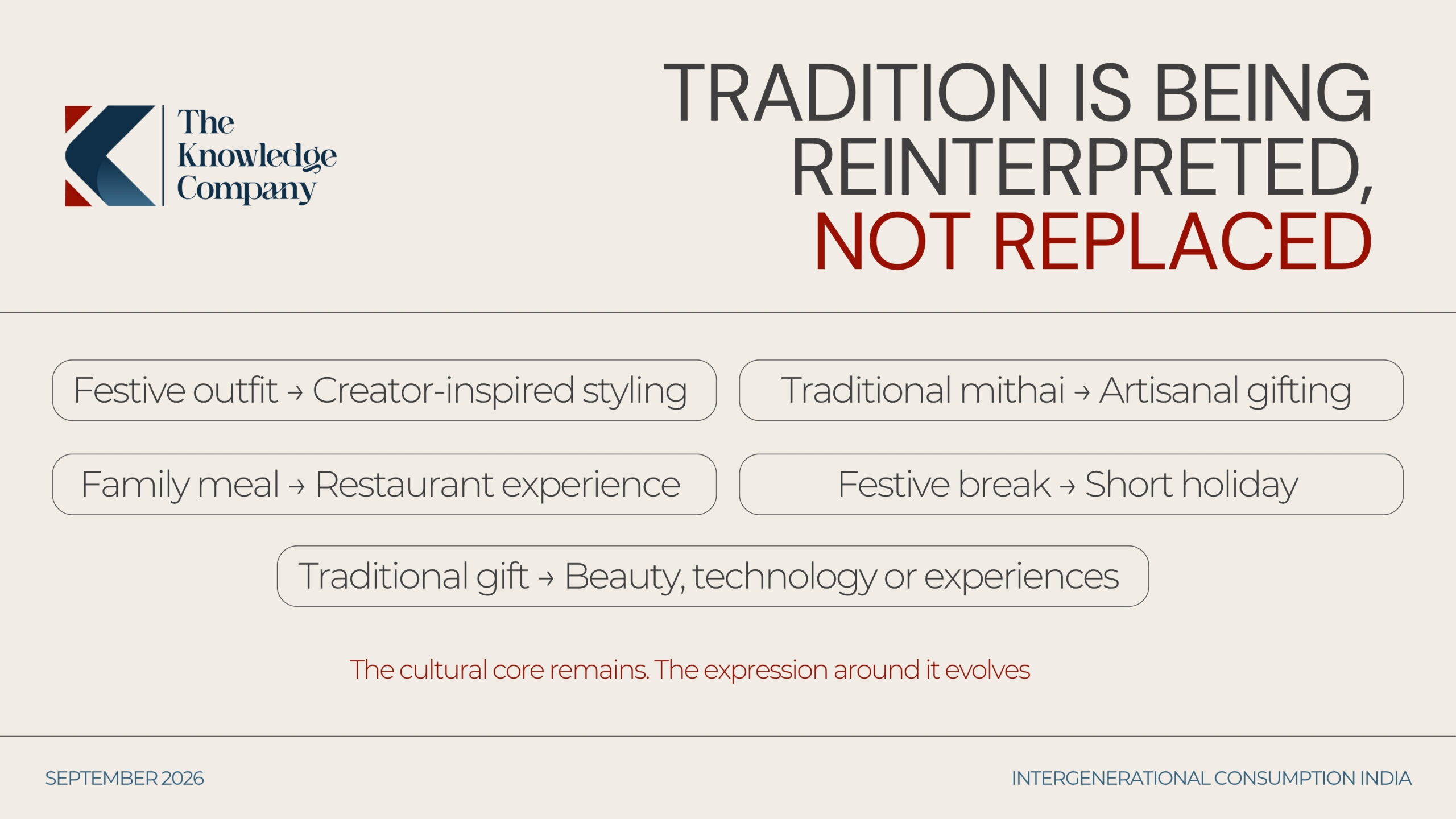
The cultural core remains strong.
What changes is the format around it.
How Brands Can Remain Contemporary and Culturally Relevant
This is important for brands because the opportunity is not always to reinvent tradition. Often, it is simply to help people reinterpret it in a way that feels relevant to the lives they lead today.
The brands that understand this tend to feel contemporary without appearing disconnected from culture.
Festivals have always given consumers permission to spend.
A new outfit. A new appliance. More food. More gifting. A bigger celebration.
That emotional licence to indulge is unlikely to disappear. What may change is how that indulgence is expressed.
Why Consumers May Choose Better Over More
Consumers are becoming more deliberate. Instead of buying more, they may decide to buy better.
One stronger fashion purchase instead of several average ones.
A premium beauty product.
A more thoughtful gift.
A special meal.
A short break.
An upgrade to something used every day.
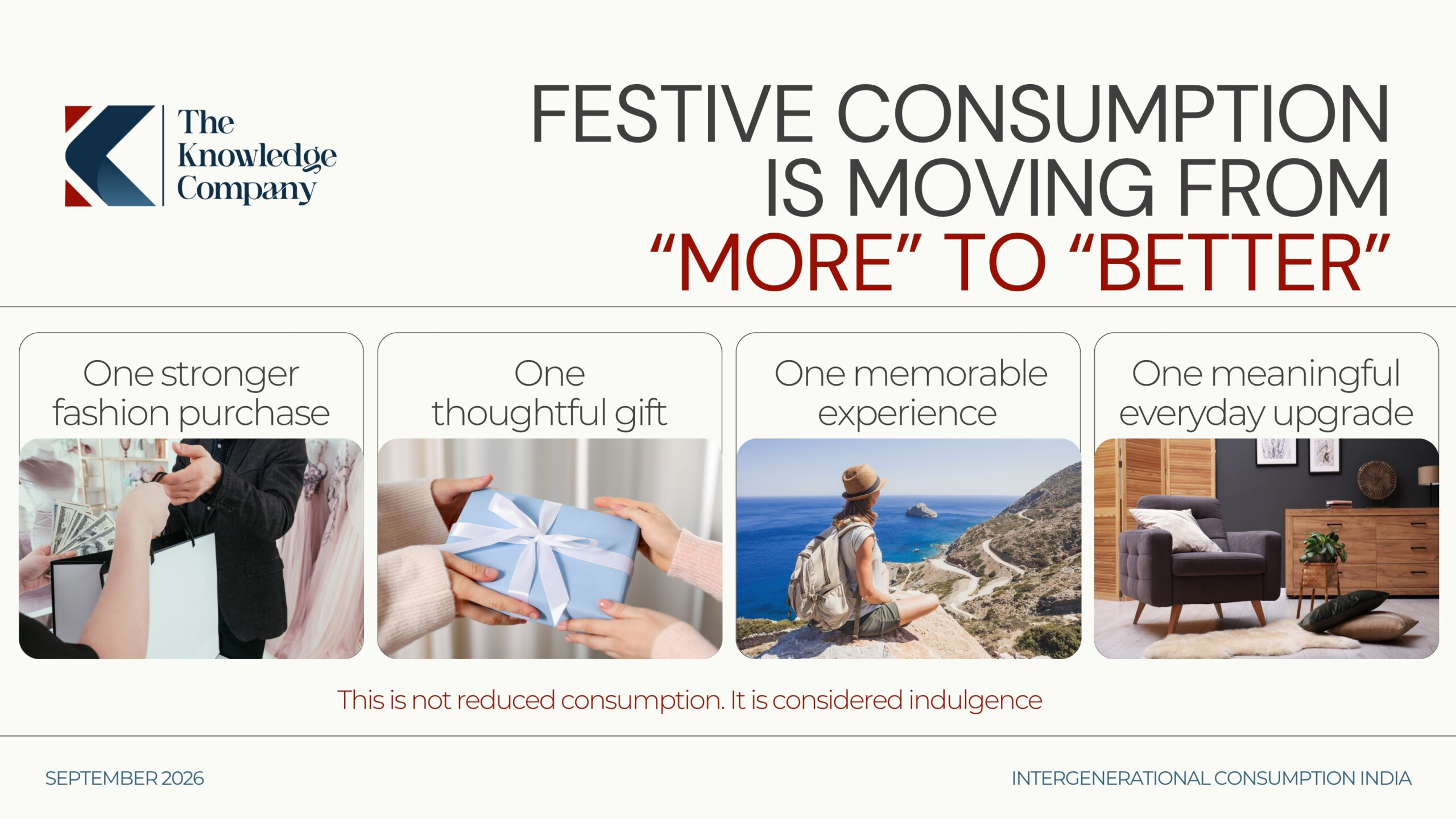
This is not necessarily a shift from spending to saving. It is a shift towards asking: what is genuinely worth spending on?
For brands, that is a much tougher question.
Discounts Can Create Urgency, But Not Always Desire
A discount can create urgency, but it cannot always create desire.
Increasingly, the answer may lie in product quality, experience, cultural relevance, personal meaning or simply the feeling that the purchase is worth it.
That is why festive consumption may gradually move from abundance towards considered indulgence.
Marketers have spoken about purchase funnels for years – Awareness. Consideration. Purchase.
But most of us do not shop that way anymore.
We discover something on a reel.
Search for it.
Watch a review.
Send it to someone on WhatsApp.
Check the price elsewhere.
Visit a store.
Forget about it.
See it again a few days later.
And finally buy it because the timing, price or delivery works.
The journey is no longer a straight line.
It is a loop.
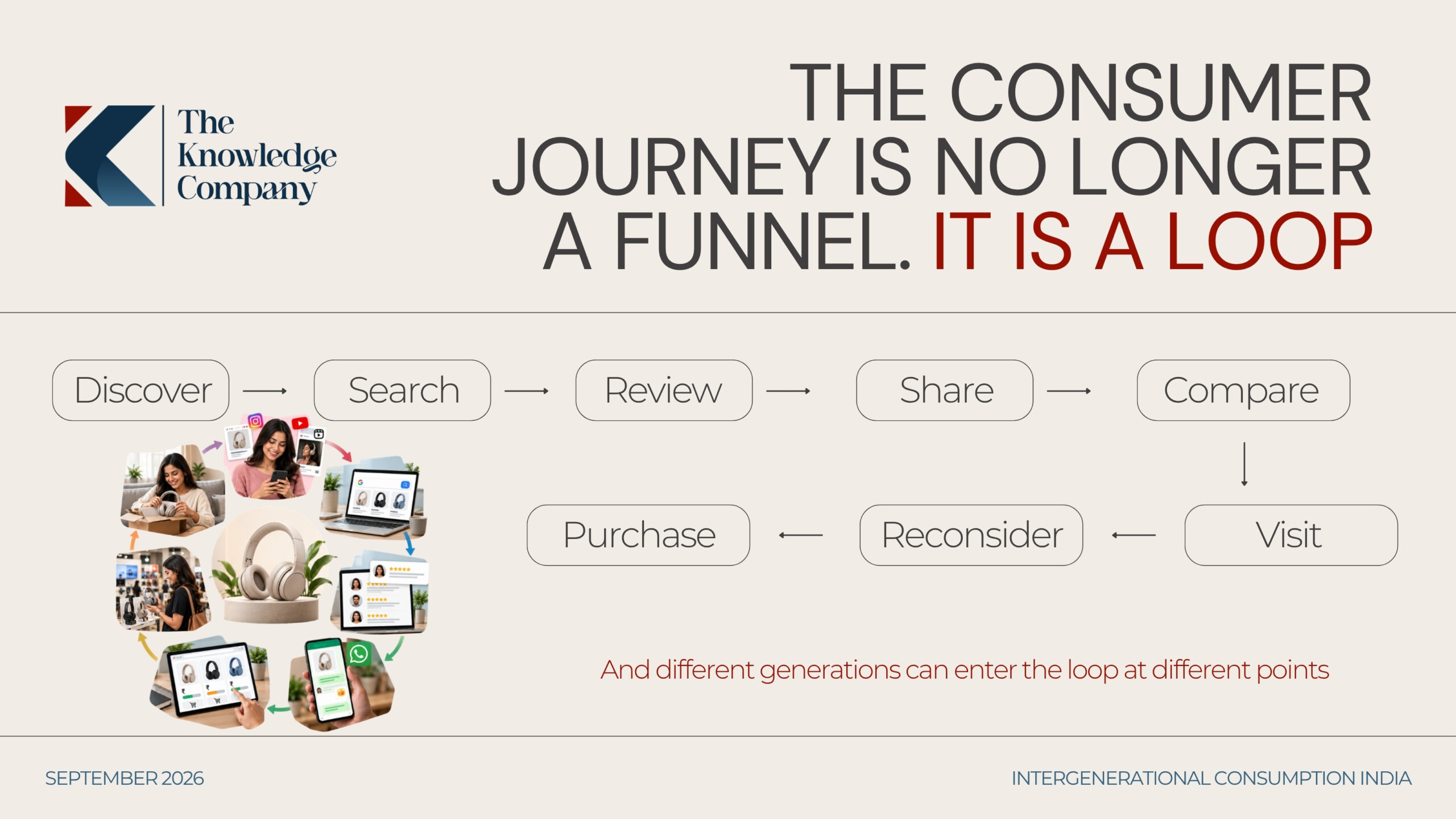
And once different generations enter that loop, things become even more interesting.
A daughter may discover the product.
Her father may validate the specifications.
Her mother may compare the value.
Her grandmother may eventually use it.
Her younger sibling may already be talking about the next version.
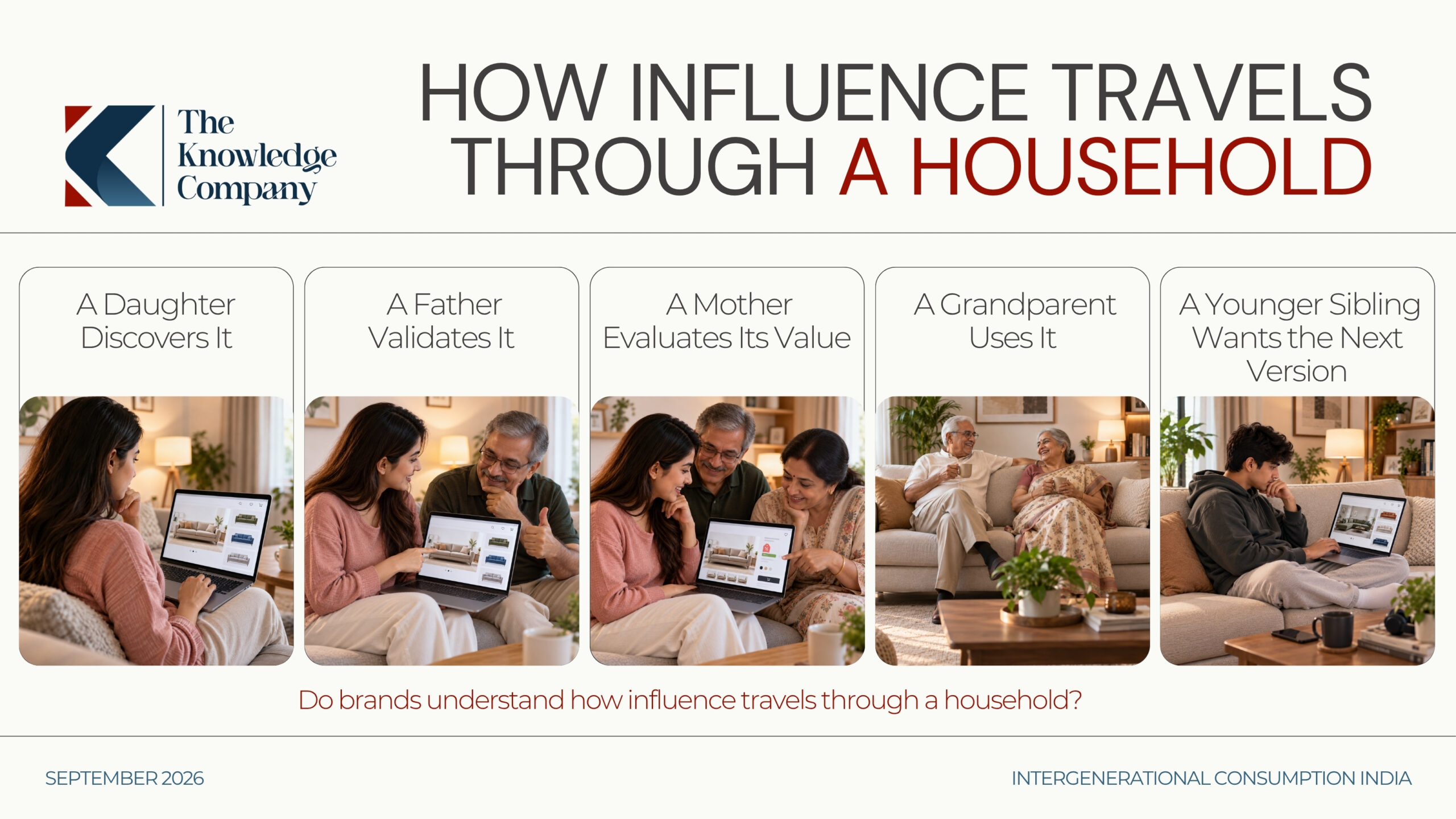
Influence moves through the family in ways that traditional segmentation does not always capture.
Which raises an important question for brands:
Do we really understand how influence travels through a household?
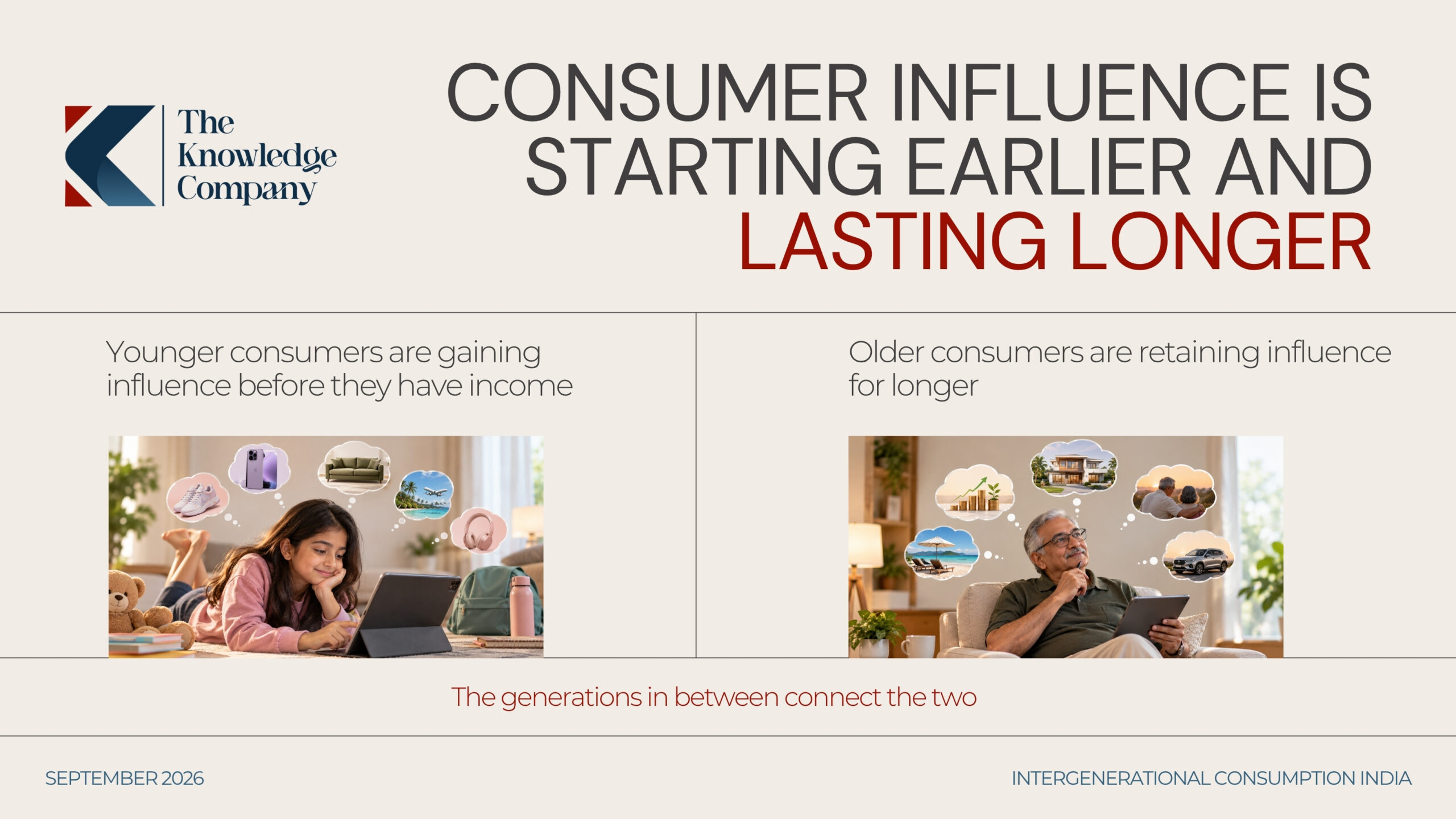
Gen Alpha is particularly interesting because it has influence before it has income.
Children have always influenced family purchases. What has changed is the amount of information they now possess.
A child can know more than a parent about a game, a sneaker, a gadget, a creator, a restaurant or a destination.
They are becoming informed consumers long before they become earning consumers.
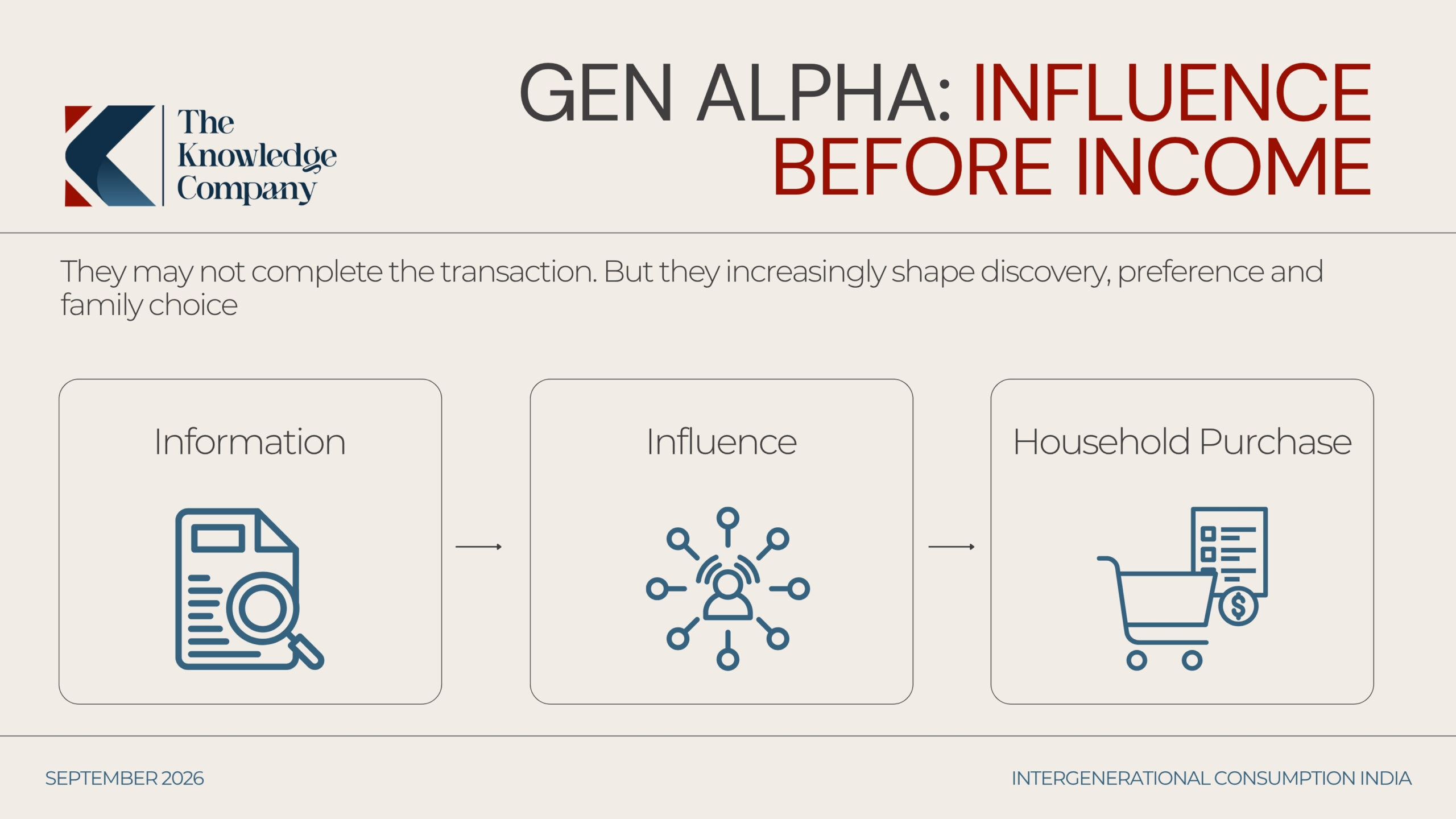
That gives them a very different role in the household.
They are also growing up with very different expectations.
They will expect technology to understand them. They will expect instant access to information. They will be comfortable using artificial intelligence to compare, search, decide and create.
The more interesting question, therefore, is not only what Gen Alpha will buy when they grow up.
It is how much they are already influencing what the family buys today.
The Growing Opportunity Around Older Indian Consumers
At the other end of the age spectrum is a consumer opportunity that I believe remains underdeveloped.
The older Indian consumer.
Too often, ageing is viewed primarily through healthcare, retirement and financial security.
That is far too limiting.
As people live longer and remain more active, the opportunity will extend across travel, beauty, fashion, food, housing, technology, automobiles, entertainment and experiences.
Tomorrow’s sixty-year-old will not behave like yesterday’s sixty-year-old.
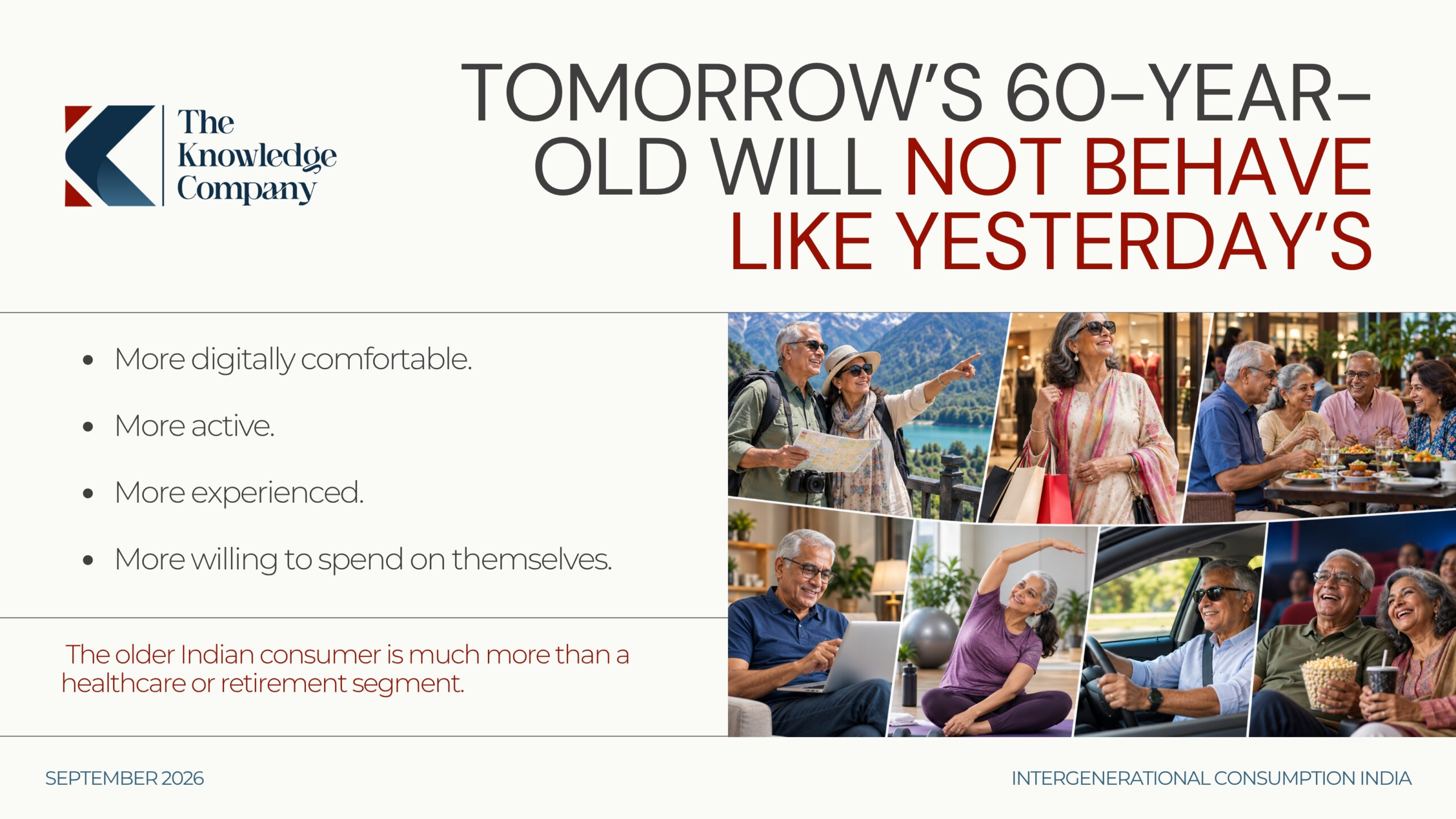
They are likely to be more digitally comfortable, more travelled, more health-conscious and more willing to spend on themselves.
They are also less likely to respond to brands that speak to them through tired stereotypes of ageing.
This is where the future of consumption becomes particularly interesting.
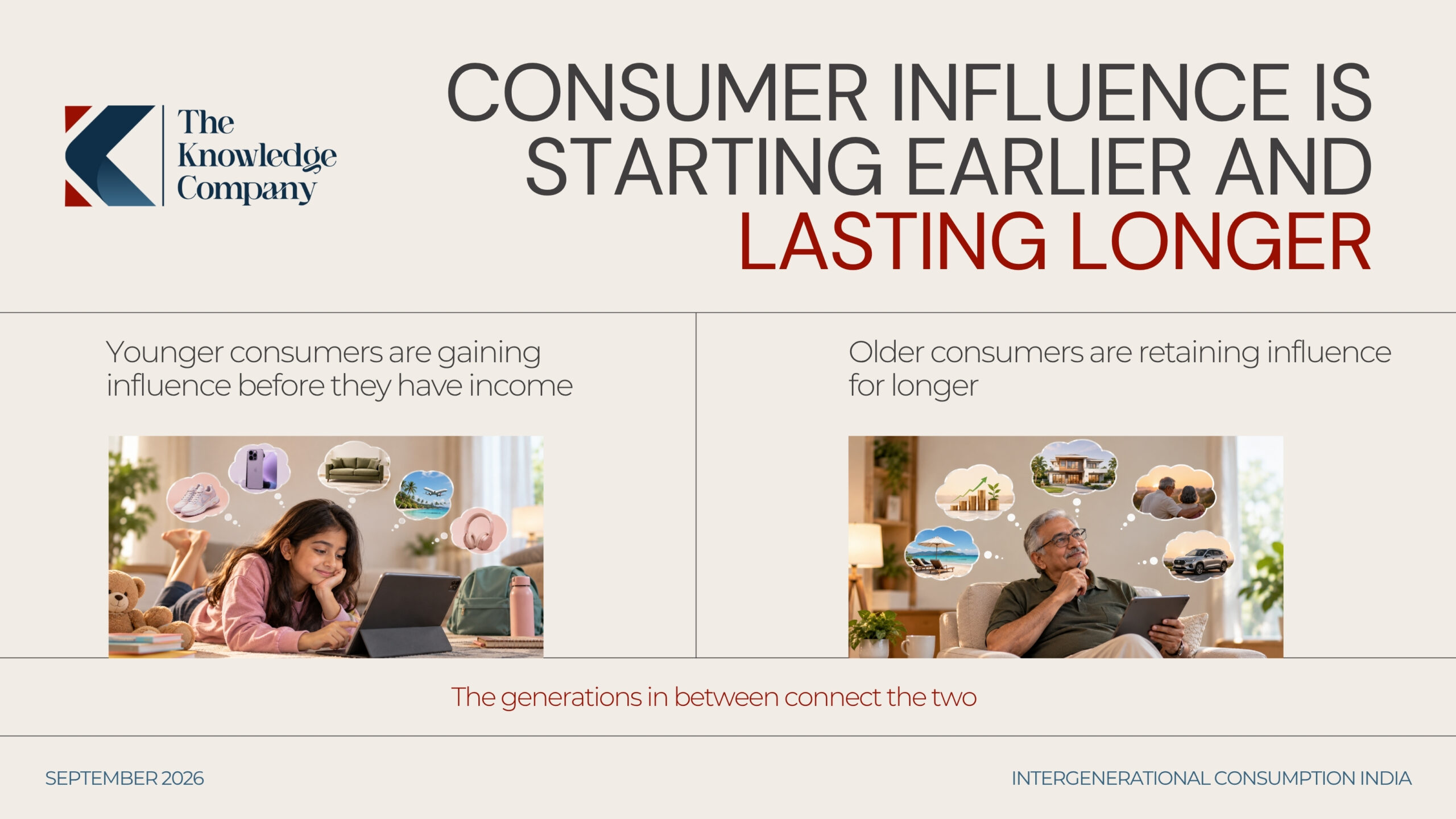
Younger consumers are gaining influence earlier.
Older consumers are retaining influence for longer.
And the generations in between are connecting the two.
Perhaps the future consumer should not be viewed as a succession of generations.
Millennials give way to Gen Z.
Gen Z gives way to Gen Alpha.
The market will not evolve that neatly.
A more useful way to think about it is as an intergenerational consumer ecosystem.
For businesses, that creates a different set of questions.
Are we segmenting consumers too narrowly by age?
Do we know the difference between our buyer, user, influencer and gatekeeper?
Are we designing for an individual when the purchase is actually negotiated by a household?
Are we so focused on younger consumers that we are overlooking older consumers with growing spending power and influence?
And, above all, do we understand how generations influence one another?
That may prove to be far more valuable than simply identifying which age group is growing fastest.
Over the next few festive weeks, millions of Indian families will come together.
There will be shopping lists, family WhatsApp groups, arguments over brands, recommendations from children, advice from parents and preferences inherited from grandparents.
Some ideas will come from creators.
Some from algorithms.
Some from friends.
Some simply from habits built over decades.
There will be purchases made online and purchases made in stores.
Some traditions will be repeated exactly as they have always been.
Others will change almost without anyone noticing.
Taken individually, these may look like ordinary festive moments.
Taken together, they offer a glimpse of where Indian consumption is heading.
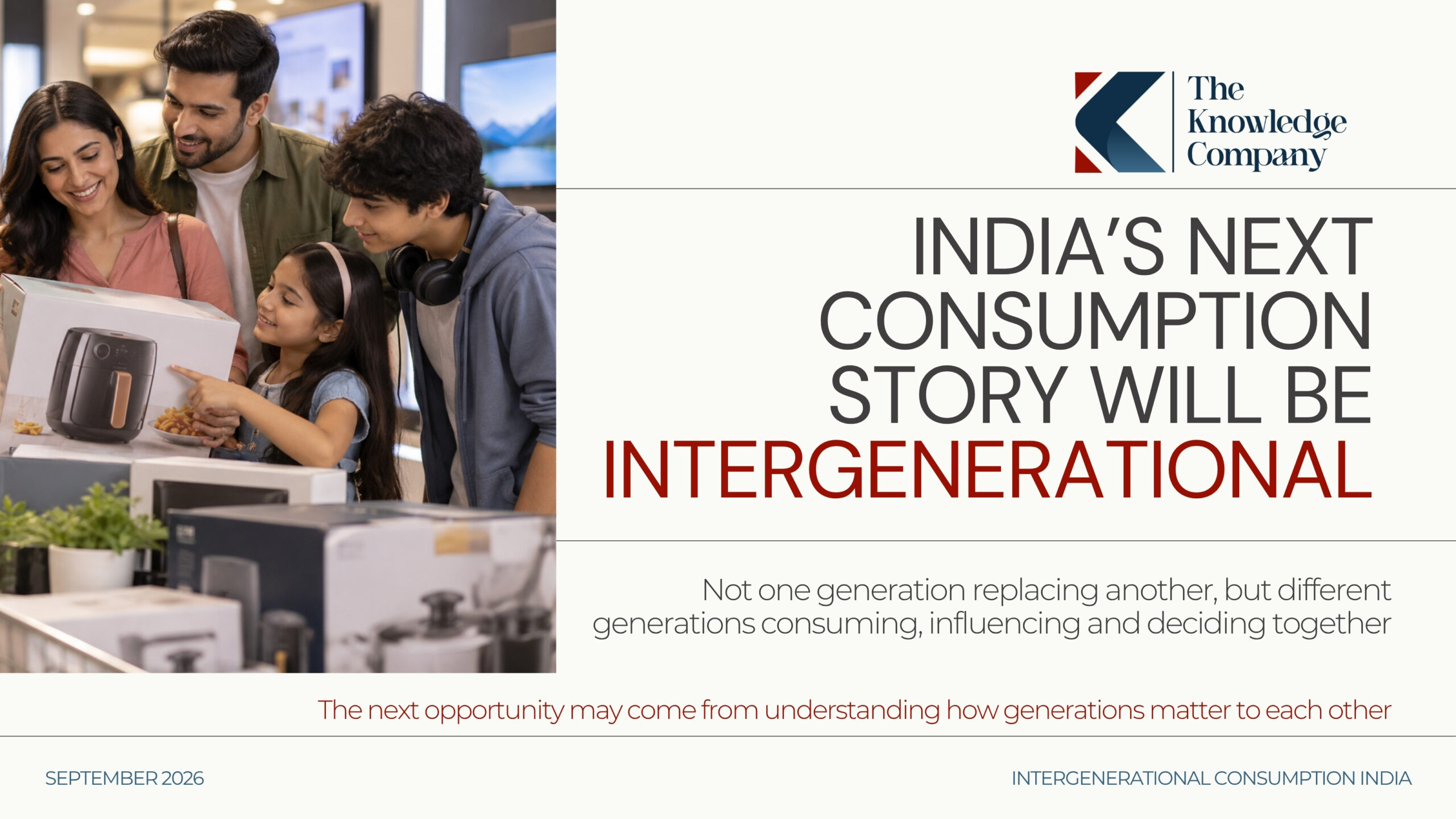
The next big consumer opportunity may not come from identifying which generation matters most.
It may come from understanding how generations matter to each other.