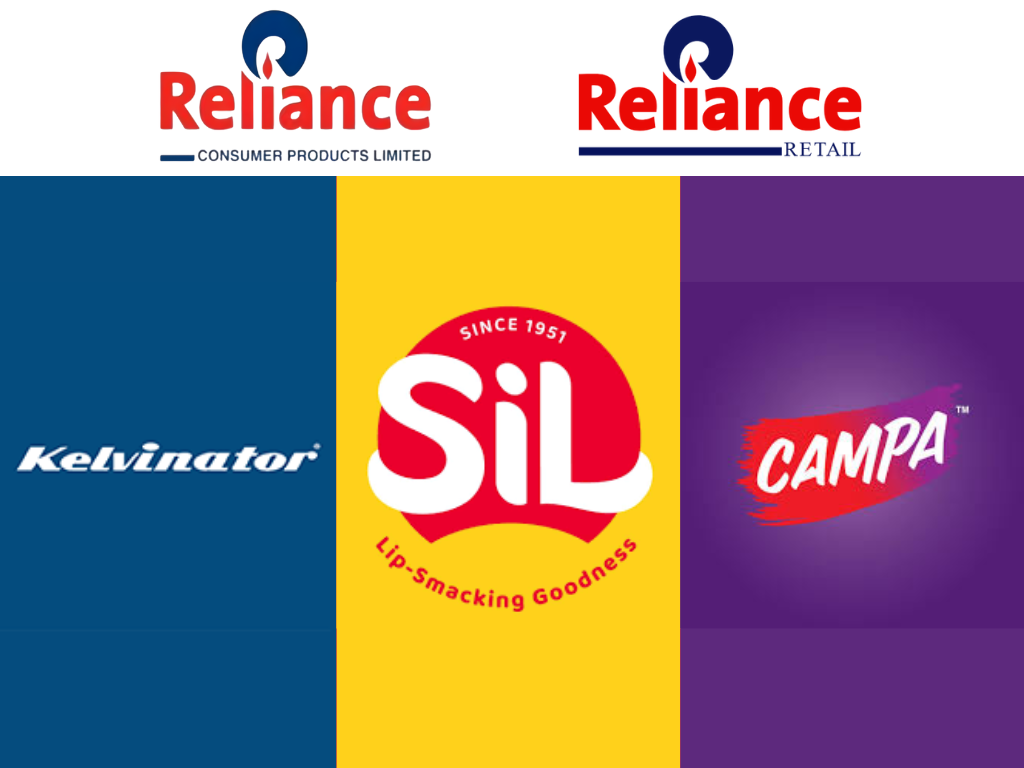
Reliance Industries is accelerating its bid to become India’s largest consumer goods company. Through the newly spun-off New Reliance Consumer Products, the group is targeting an eightfold jump in sales to ₹1 trillion ($11 billion) by 2030. This rapid expansion is built on a “bargain hunt” strategy—buying defunct legacy brands like Campa, Sil, and Udhaiyams and scaling them through aggressive pricing and massive trade incentives.
In a comprehensive analysis for Nikkei Asia, Arvind Singhal, Chairman of The Knowledge Company (TKC), explains that Reliance’s entry into FMCG is defined by a willingness to disrupt established norms.
READ THE FULL ANALYSIS AT: https://asia.nikkei.com/business/consumer/reliance-extends-indian-consumer-push-with-revived-brands-price-cuts
According to Singhal, Reliance’s success in crowded markets stems from a multi-levered approach that prioritizes value perception above all else.
“When you enter a new segment, you will give more incentives, whether to consumers or dealers and retailers. … Reliance will compete using all possible levers, which include being aggressive on pricing. It’s about telling people, ‘We offer more value.'”

This playbook has already triggered price wars in the beverage sector. The launch of 200ml Campa bottles for ₹10 forced global incumbents like PepsiCo and Coca-Cola to slash prices and “grease up” their trade incentives to retain dealer loyalty.
Reliance’s impact is already visible in the numbers. Sales from April through September 2025 topped ₹98 billion, placing Reliance on par with legacy players like Tata Consumer Products and significantly ahead of Dabur and Marico.
Singhal notes that this is just the beginning of a larger shift in market share:
“Reliance is a robust competitor, and they play to win rather than just participate. They will obviously eat up some market share of the other established players.”
To secure its “1 trillion rupee” ambition, Reliance is investing ₹400 billion by 2028 to build AI-driven food parks and automated factories.
This infrastructure is designed to provide “lasting cost leadership,” a critical advantage as the company expands from food and beverages into higher-value categories like apparel, electronics, and cosmetics.
Arvind Singhal’s analysis underscores TKC’s role in helping businesses navigate the high-stakes shifts in India’s consumer landscape.
Is your brand ready to compete in the new era of FMCG value wars?
Connect with TKC to turn market disruption into your strategic advantage.