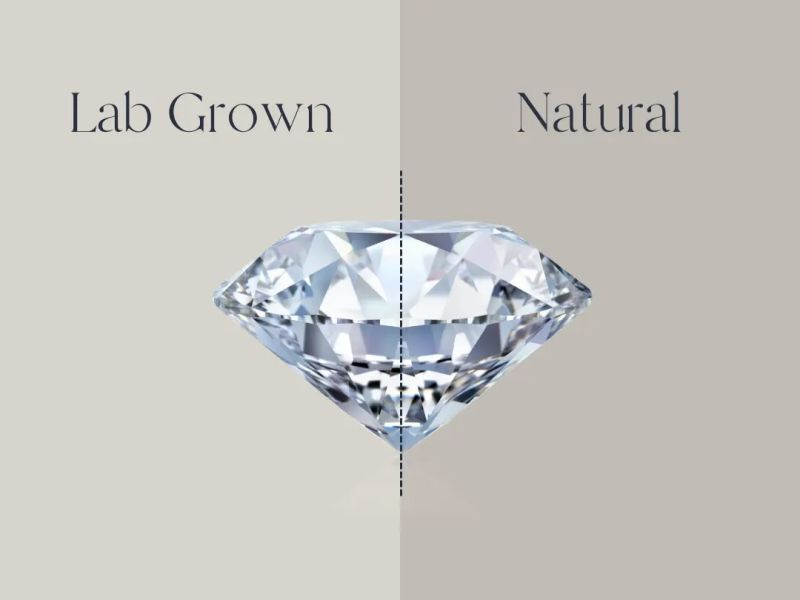
The global diamond industry is navigating a defining structural transformation.
De Beers, historically the world’s premier diamond enterprise, is facing severe headwinds in its upstream mining business due to accumulating inventory, dipping demand, and the relentless rise of lab-grown alternatives.
De Beers™ rough-diamond price index dropped by 20% in 2024 and fell another 12% in 2025, with prices sliding further by 19% in the first quarter of 2026 to hit $101 a carat.
These pressures forced a two-year production suspension at the company’s flagship Venetia mine in South Africa, following a massive $2.2 billion underground expansion.
Concurrently, majority owner Anglo American recognized a $2.3 billion impairment on the business in 2025, on the heels of a $2.9 billion write-down the previous years and is now actively pursuing a sale of De Beers to decouple from the diamond market entirely.
Against this volatile global backdrop, De Beers’ downstream brand, Forevermark, is executing an aggressive retail footprint expansion across India.
Having entered the country in 2011 via local partner jewellers, the brand recently pivoted to opening dedicated, corporate-owned flagship stores.
With a newly opened location in Bengaluru marking its ninth flagship, Forevermark plans to establish roughly 100 outlets across key markets like Hyderabad, Chennai, and Kochi, targeting $100 million in revenue over the next four years.
However, this expansion lands directly in an increasingly disrupted domestic market where the very definition of diamond luxury is being challenged by consumer behavior and new-age tech.
The Rise of Lab-Grown Disruption
Lab-grown diamonds (LGDs) are capturing significant market share in India’s urban centers.
The country’s lab-grown diamond jewellery market reached a valuation of $300 million to $350 million in 2024 and is projected to expand at an annual growth rate of approximately 15% over the next decade.
This momentum is backed by heavy capital injections. In 2025, nine pure-play Indian lab-grown diamond startups collectively secured $26.4 million in funding, a major leap from the $4.7 million raised by eight startups a year prior.
This capital influx is allowing LGD brands to rapidly build competitive retail networks, scale manufacturing, and heighten consumer awareness, severely intensifying pressure on natural diamond margins.
The Premium Problem: Appearance vs. Value
The critical challenge for natural diamond brands is convincing modern consumers to pay a steep financial premium for an structurally identical aesthetic outcome.
Offering a blunt strategic assessment of this industry tension, Arvind Singhal, Chairman of retail consultancy The Knowledge Company (TKC), notes that downstream retail updates alone cannot insulate natural stones from fundamental economic shifts:
“You can try to put it into exclusive stores. You can try to set it into jewellery. You can do whatever with it. But unless the price premium is very minimal, consumers will simply choose lab-grown diamonds that offer almost the same appearance at a fraction of the cost.”
Read the full article at: https://www.livemint.com/companies/news/de-beers-pins-hopes-on-forevermark-retail-stores-to-sustain-natural-diamond-demand-in-india-11784205870361.html?giftCode=71-a9a64af4bd7
The Shift in the Luxury Consumer Profile
This market friction is heavily pronounced among younger demographic cohorts. Gen Z and younger millennial buyers view the category through a fundamentally altered cultural lens.
To them, the choice between lab-grown and natural diamonds is largely a semantic variation rather than a compromise on aesthetic beauty or emotional value.
Furthermore, younger buyers are displaying a growing indifference to traditional markers of luxury.
As Arvind Singhal observes, the indifference to natural diamonds is highly prevalent among younger consumers, who are significantly less concerned about using luxury purchases to flaunt social status.
Instead, the diamond market is migrating toward self-purchased, functional fashion:
- Everyday Wear Evolution: According to data from De Beers, 52% of diamond jewellery is now worn on a daily basis, a stark jump from just 27% in 2014.
- Self-Purchasing Dynamics: 64% of natural diamond jewellery bought outside traditional wedding occasions is entirely self-purchased, reflecting a move toward self-directed luxury.
- Design Preferences: Modern demand centers heavily on stackable, casual, and contemporary designs tailored for consumers between 22 and 43 years of age.
The Strategic Path Forward
To counter this disruption, Forevermark is working to reframe its consumer identity. The brand’s executive leadership emphasizes a pivot from transactional luxury to deep brand storytelling, stating: “We are not a diamond company trying to sell jewellery… We are a jewellery company that is using diamonds as a medium.”
The objective is to build direct-to-consumer relationships where buyers understand design provenance and craftsmanship before entering a boutique purely to transact.
While India’s natural diamond jewellery market managed a compounded annual growth rate of 12% over the past three years, sustaining that velocity through 2030 requires acknowledging structural changes.
Natural diamonds retain clear appeal for collectors seeking absolute rarity and legacy value.
However, as lab-grown alternatives democratize casual luxury, corporate strategies must focus on hyper-segmenting the market’s separating rare, high-investment natural items from the high-velocity, everyday fashion pieces dominated by LGD economics.
Navigate Consumer and Premium Retail Shifts with TKC
The Knowledge Company’s Retail Advisory practice partners with legacy luxury brands, consumer lifestyle conglomerates, and digital-first retail networks to successfully navigate category disruptions, evolving demographic preferences, and pricing design challenges across India.
Is your brand’s premium positioning aligned with how today’s consumers evaluate value?
To align your retail footprint, channel architecture, and portfolio strategy with modern luxury market realities, connect at vidya@tkc.in.