The Pet Food Wars: Why Distribution is the Ultimate Moat for FMCG Giants

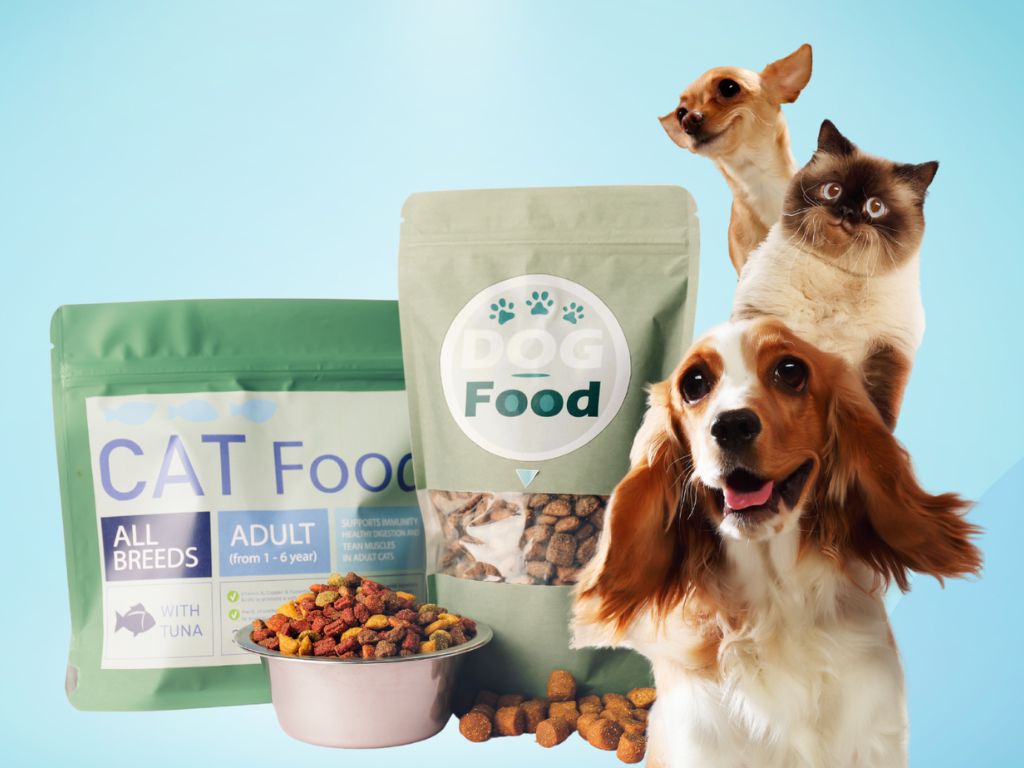
The year 2026 is shaping up to be the most competitive in the history of the Indian pet care sector. What was once a category dominated by a few global players is now a fierce battleground featuring homegrown giants like Reliance (Waggies)Wipro Consumer Care (HappyFur), and Godrej Consumer Products, alongside a flurry of D2C startups.

However, in a recent analysis for LivemintArvind Singhal, Chairman and Founder of The Knowledge Company, suggests that the “D2C disruption” may have a structural ceiling that startups will find difficult to break.

The Economics of Trust and Scale

For the modern Indian pet parent, trust is a non-negotiable currency. Singhal argues that when it comes to nutrition, consumers lean toward the security of established R&D and global manufacturing standards.

“Conventional distribution channels, economies of scale, and research and development come into play. If you can spend ₹2,000- ₹2,500 on a Nestlé product or an equivalent FMCG brand, you’ll switch straight away. There’s trust already.” — Arvind Singhal

Beyond the Top 15 Cities

While D2C brands have successfully captured urban “mindshare” through social media and subscription models, the real prize lies in deeper penetration. This is where the sheer muscle of traditional FMCG distribution becomes a decisive factor.

As Arvind points out, the challenge for startups isn’t just product quality, it’s accessibility:

“Large FMCG companies reach hundreds of thousands of villages and millions of sales points. Why would someone in a smaller city look for a startup brand that nobody knows about?”

The Niche Trap?

Despite the influx of venture capital into the pet care space, the path to long-term sustainability remains narrow. Arvind remains cautious about the independent survival of many D2C players, predicting that the bulk of the market will inevitably settle into the hands of the “Big Boys” of FMCG.

“I don’t see a way they can sustain for long. Most will remain niche—two crore, five crore, maybe 10-20 crore, but the bulk of the market will still belong to large FMCG companies. Some may get acquired because they carve out a niche, but that’s about it.”


Supporting Strategic Retail Transformation

The Knowledge Company’s strategic advisory practice works with both global conglomerates and high-growth consumer brands to navigate high-stakes market entries.

  • Market Entry & Scaling Strategy: We design distribution blueprints that help brands move from urban niches to mass-market dominance.
  • Competitive Intelligence: Providing deep analysis of FMCG “playbooks” to help clients identify vulnerabilities and white spaces in high-growth categories.
  • Consumer Trust Frameworks: Helping brands leverage R&D and quality assurance as a competitive advantage in sensitivity-driven categories like pet care and wellness.
  • M&A Advisory: Identifying strategic “niche” assets for acquisition or helping D2C brands position themselves for a successful exit.


Is your brand positioned to win the battle for the Indian household? 

Connect with TKC to turn market disruption into your strategic advantage.