Reading India’s Fashion Market, Designing Its Next Chapter: TKC at IFF 2026
At
India Fashion Forum 2026 in Bengaluru, The Knowledge Company (TKC) did what we do best: brought
research-led clarity to a market that is growing fast, fragmenting faster, and asking difficult questions about what really drives consumer choice.
Representing TKC,
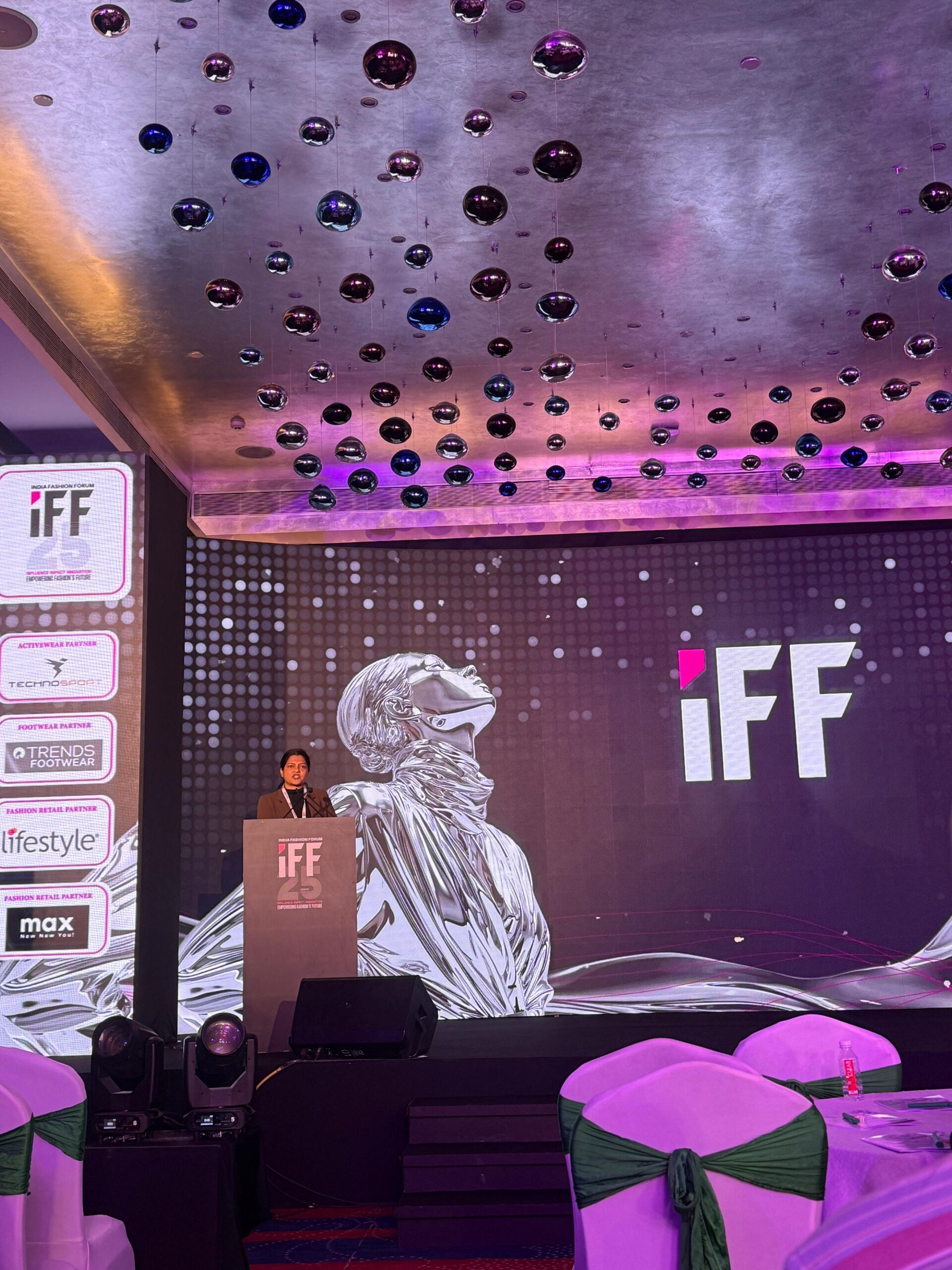
Madhulika Tiwari, Partner – Retail & Consumer Goods, anchored
two high-impact sessions across both days—one that mapped the contours of India’s consumption landscape, and another that forced the industry to confront what “phygital” really means when the rubber meets the road.
Day 1: Mapping the Market – Beyond the Headlines
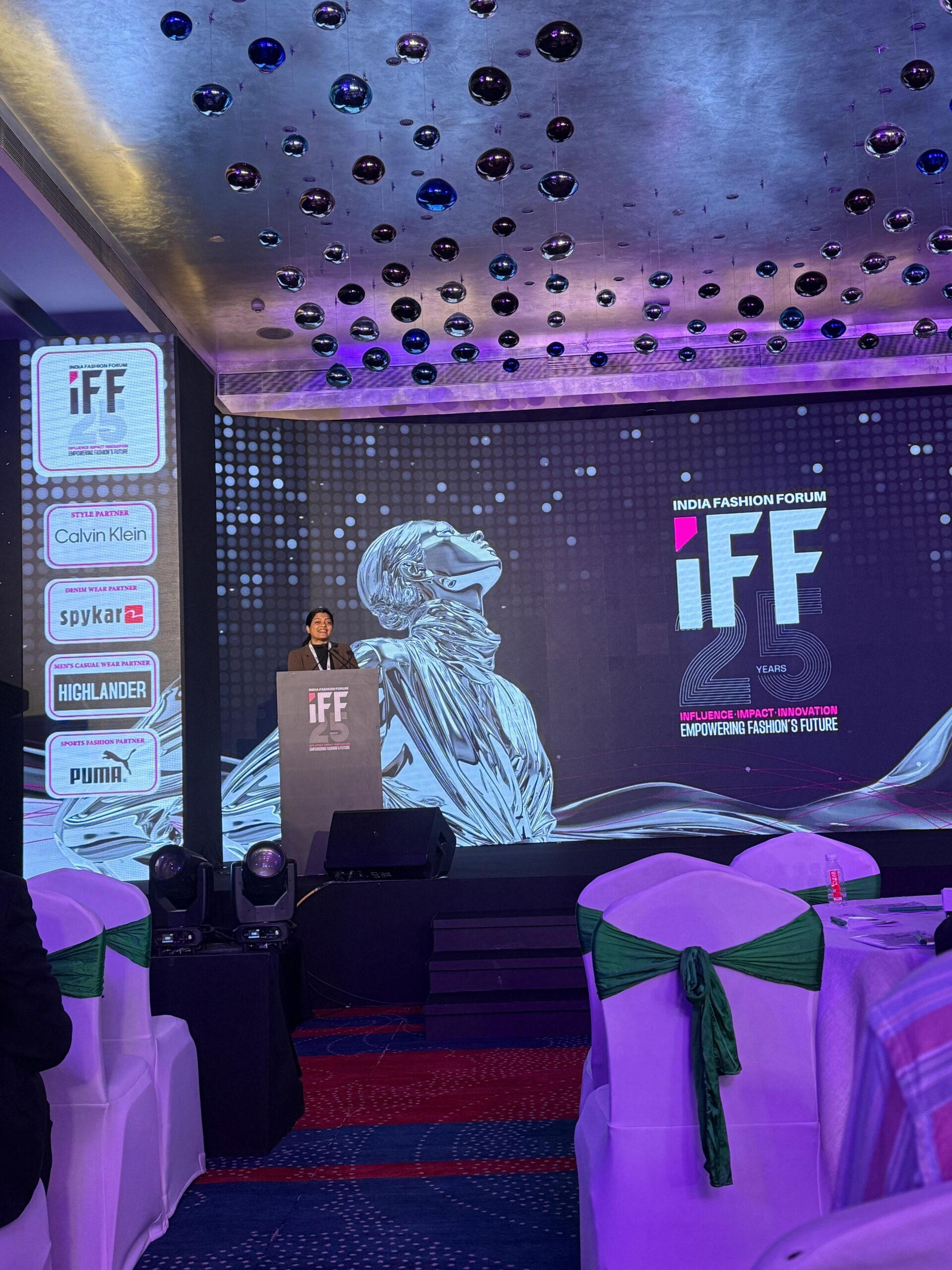
IFF 2026 opened with Madhulika’s inaugural research presentation:
“India’s Fashion Market: How Shifting Patterns of Private Consumption Are Redefining Fashion & Lifestyle”
This wasn’t a feel-good overview. It was a structured, data-backed walk through where growth is coming from, where it’s stalling, and what’s driving the divergence.
The session covered:
Market size and trajectory – India’s merchandise retail moving from USD 1.09 trillion today to USD 2.3 trillion by FY35, while services consumption (education, healthcare, food services, travel) grows even faster.
Category winners and laggards – Pharmacy & wellness, footwear, and jewellery leading growth; apparel still dominated by the value segment (57% share), which is why Zudio’s success has everyone scrambling.
The modern retail shift – Organized retail (brick + e-commerce) growing at 12%+ while traditional retail expands at half that pace; within modern retail, e-commerce is outpacing physical, but physical is far from dead.
Structural disruptions reshaping the game – New entrants taking share from incumbents, climate events wiping out 30 days of sales annually, health and wellness redefining what fashion even means, and India’s emerging trade agreements about to flood the market with new competition.
Madhulika also highlighted a two-speed consumption story: premium and niche categories growing fast, but the mass market engine—value fashion, regional players, mom-and-pop stores—still driving the bulk of volume and reach.
The presentation drew on
TKC’s proprietary research and modeling, built over years of client work across retail, FMCG, fashion, and consumer goods. It gave the room a
common language and baseline for the conversations that followed over the next two days.
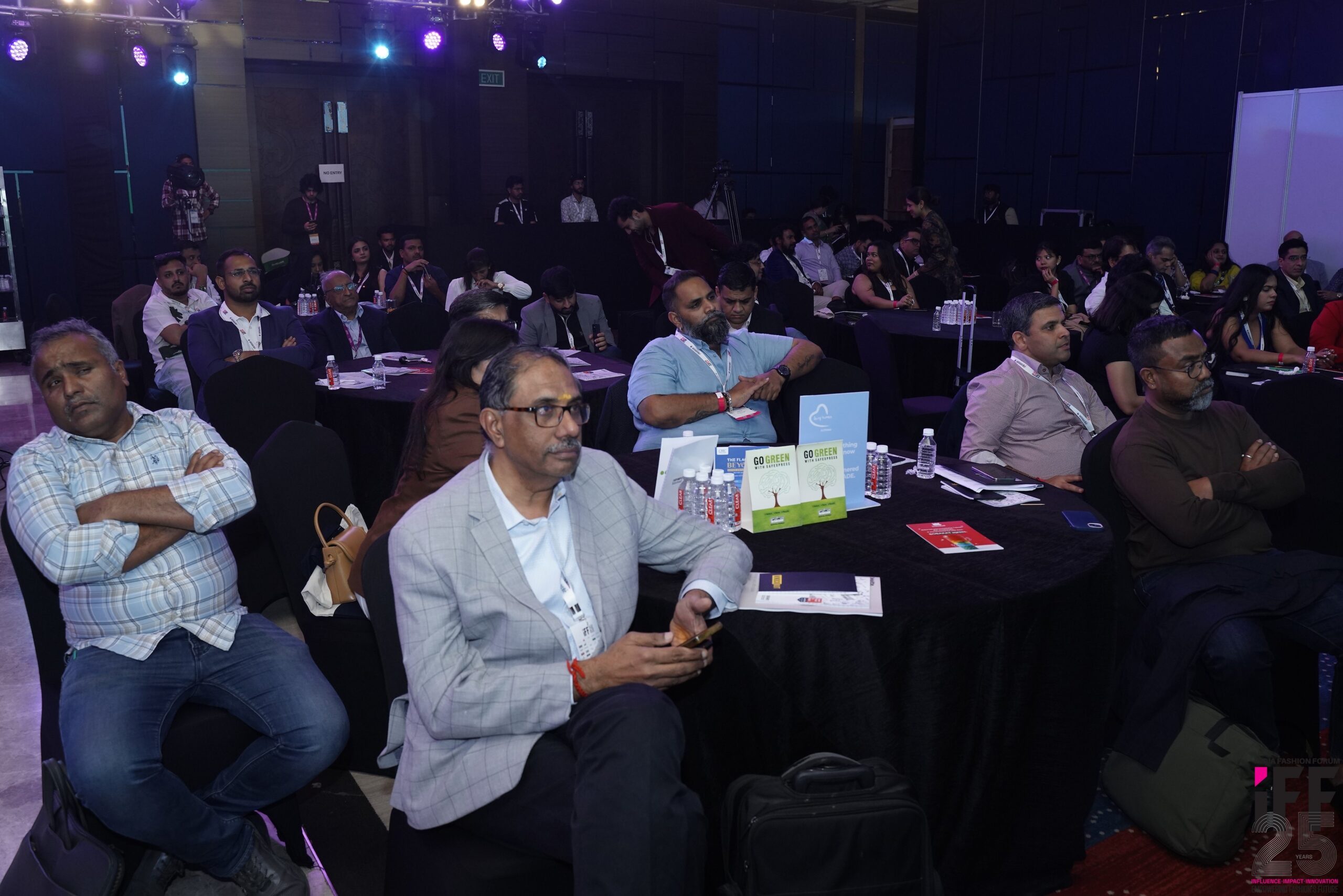
One delegate later described it as “the most honest 20 minutes of the conference”—no hype, no vague trends, just a clear-eyed read of what’s actually happening in the market.
Day 2: Phygital Retail – Moving from Buzzword to Blueprint
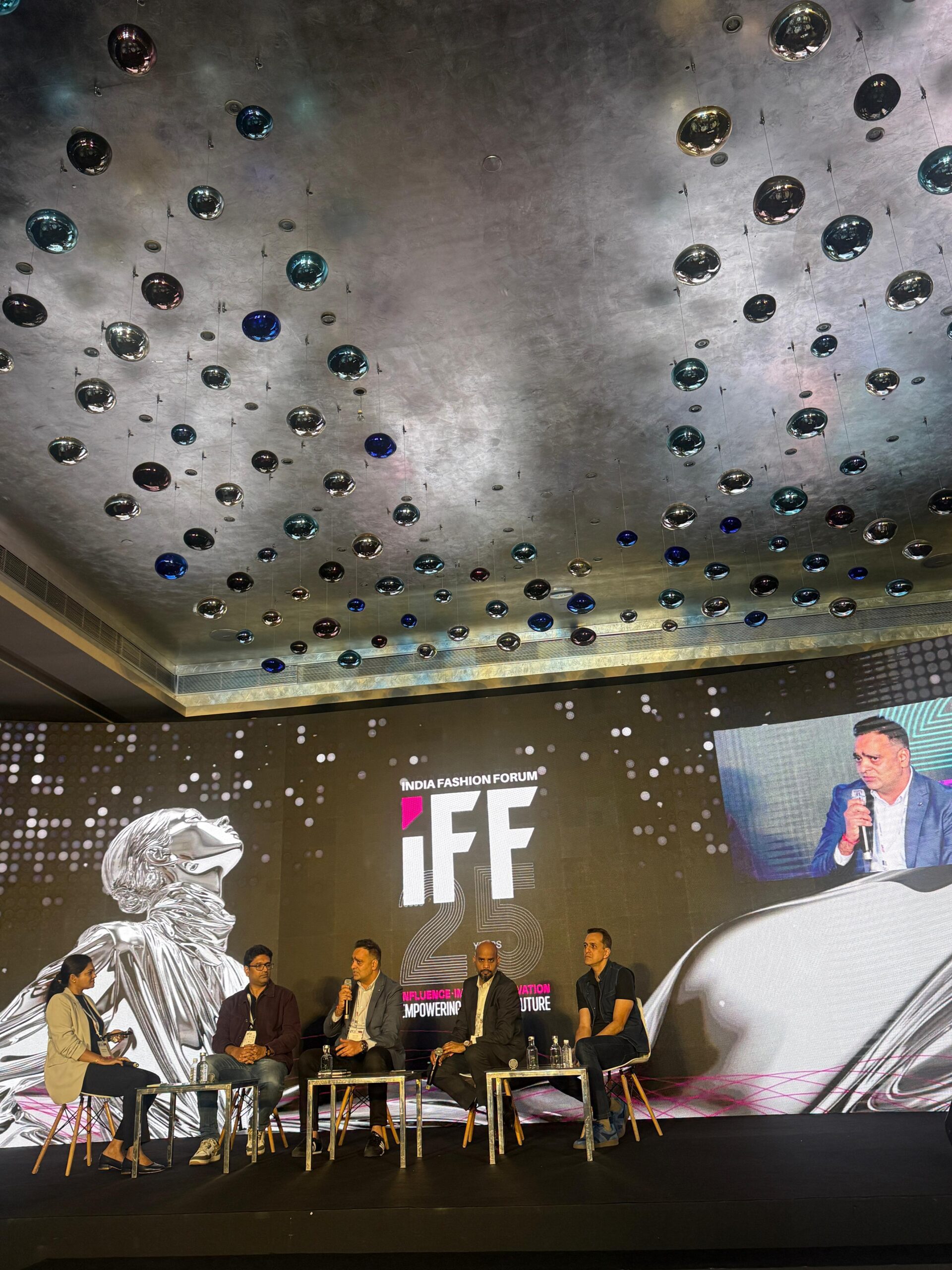
On Day 2, Madhulika moderated a panel that brought together four leaders from very different parts of the retail ecosystem:
Panelists:
Arpan Tyagi – Business Head,
Megamart (large-format value fashion retailer under Arvind Fashions)
Rohit Khetan – CMO,
Ginesys (retail tech and omnichannel solutions provider)
The brief was simple: What does phygital actually mean when you have to make it work—not just talk about it?
Madhulika structured the conversation to cut through the jargon:
1. Defining Phygital – What It Really Means
She asked each panelist to define phygital in the context of their own business. The answers were revealing:
Nykaa sees it as digital dominance with selective physical touchpoints (pop-ups, showcases) for discovery—not a full retail model.
Megamart uses digital to improve store efficiency first (inventory, staff tools, checkout), then loyalty and sales.
Juniors Group builds phygital around community events—fashion shows, workshops—amplified digitally to sustain engagement beyond the moment.
Ginesys framed it as unified customer identity and inventory, so the same shopper can be served seamlessly whether they walk in, browse online, or message on WhatsApp.
2. Execution Discipline – What It Takes to Scale
Madhulika pushed the panel on operational reality: What systems, trade-offs, and disciplines did you have to build to make phygital sustainable? How do you decide what to pilot, what to scale, and what to kill?
The conversation moved from philosophy to playbook—unified data, staged rollouts, clear ROI thresholds, and the hard truth that most retailers can’t do everything at once.
3. Balancing Customer Expectations vs Business Feasibility
She asked Rohit (Ginesys) a pointed question: “When advising retail clients, how do you balance what the customer expects from a phygital experience with what is feasible for the retailer to implement?”
His answer anchored the discussion in pragmatism: most retailers don’t have infinite tech budgets or perfect data. The question is what to prioritize first to deliver the biggest customer and business impact with the least friction.
4. Metrics That Matter
Madhulika closed by asking all four: How do you know if phygital is working? Footfalls? Conversion? Repeat rate? Journey completion? Profitability per channel?
The panel offered a rare practitioner-level discussion that many delegates later described as “playbook-oriented”—something they could take back and map to their own store networks, apps, and platforms.
Why This Mattered for TKC
For TKC, IFF 2026 was about more than visibility. It was about:
Bringing evidence-based insight into a forum that increasingly shapes the industry narrative.
Demonstrating how market sizing, consumer behavior analysis, and format intelligence can directly inform strategy and execution.
Strengthening relationships with fashion, lifestyle, and retail leaders who are navigating growth, profitability, and differentiation in a two-speed, multi-format, climate-disrupted, digitally influenced market.
Madhulika’s presentation on Day 1 gave the industry a research-backed baseline to work from. Her moderation on Day 2 reflected TKC’s consulting DNA: asking the hard questions, pushing for specifics, and ensuring the conversation stayed grounded in what can actually be implemented.
Across both days, the response reaffirmed a core TKC belief: when the industry is dealing with noise, what it values most is clarity, context, and candour.
The Road Ahead
India’s fashion and lifestyle market is entering a decade defined by new consumption patterns, new formats, and new expectations. TKC is committed to being a partner that reads the market accurately and helps clients act decisively.
India Fashion Forum 2026 was a powerful platform to reinforce that role—and we walked away with fresh data points, deeper client relationships, and a renewed appreciation for how quickly this industry is evolving, and how critical it is to measure carefully, plan early, and execute locally.