India’s quick commerce sector has achieved what many skeptics thought impossible: it successfully re-engineered urban consumer habits around instant gratification. Today, ordering groceries, cosmetics, or electronics to your doorstep in ten minutes is no longer a luxury; it is a baseline utility.
However, as hyper-growth matures in primary tier-1 metropolitan markets, platforms are confronting a familiar corporate crossroads. With player consolidation and market shares stabilizing, Blinkit commands 47% of the landscape, followed by Zepto at 24% and Swiggy Instamart at 22%, the runway for pure, volume-driven customer acquisition is naturally narrowing.
The next frontier of growth isn’t about acquiring more customers; it is about extracting deeper value from the existing base.
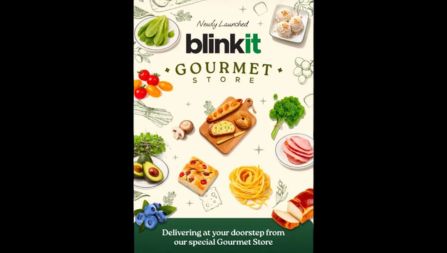
Blinkit’s recent pilot of Gourmet, a premium format delivering high-end foods, artisanal cheeses, and specialized organic produce through a dedicated micro-network of dark stores, is the clearest manifestation of this strategic evolution.
Evaluating this shift in a recent feature by Mint, Ankur Bisen, Senior Partner at The Knowledge Company (TKC), maps out why moving upmarket is the logical next step for mature digital delivery platforms.
Read the full analysis in Mint here: https://pressreader.com/article/281809995639947
- Escaping the Average Order Value (AOV) Ceiling
To understand why quick commerce must pivot upmarket, one must look closely at the underlying unit economics.
In the March quarter of FY26, Blinkit achieved a significant milestone, posting its second consecutive quarter of profitability with an adjusted EBITDA of ₹37 crore. This profit was built on the back of a staggering ₹37,779 crore in operating revenue. Yet, the data also revealed a persistent challenge: its Net Average Order Value (NAOV) flattened, growing only marginally to ₹525 from ₹520 in the previous fiscal year.
When a platform handles millions of low-ticket transactions, the fixed costs of picker labor, dark store real estate, and last-mile delivery riders continuously squeeze net margins. To expand profitability, platforms must find ways to systematically lift the ticket size per basket.
By curating high-end consumer goods that naturally command a 20% to 30% price premium over mass-market items, premium formats offer an immediate solution to the AOV ceiling. A basket filled with artisanal sourdough, organic berries, and imported cheeses yields far superior margin density than a basket of standard daily commodities.
- From Logistical Pipelines to Tiered Retailers
In its infancy, quick commerce won by functioning as an efficient logistical pipeline. But as the ecosystem scales, top-tier players must transition into sophisticated, multi-tiered retailers.
This maturation mirror playbooks utilized by traditional brick-and-mortar retail conglomerates for decades. When a mass-market supermarket chain reaches maturity, it naturally births premium, organic, or gourmet gourmet extensions to appeal to high-spending demographics without alienating its value-conscious base.
- The Need for Infrastructure Differentiation
One of the most telling aspects of Blinkit’s Gourmet pilot is its logistical separation. Rather than stuffing premium, temperature-sensitive, high-end items into standard, high-velocity dark stores, the platform is servicing the initiative through a separate network of specialized dark stores across Delhi, Bengaluru, and Mumbai.
Discerning, affluent shoppers prioritize curation, product integrity, and presentation over raw delivery speed. An ozone-washed vegetable or a delicate artisanal bread cannot be treated with the same rough inventory velocity as packaged instant noodles.
By building isolated, dedicated dark stores tailored for premium storage and picking, platforms can safeguard product quality, creating the distinct customer experience required to build genuine brand stickiness.
The Strategic Outlook: Slicing Convenience
The quick commerce paradigm is no longer a monolith. The future of instant delivery will belong to platforms that realize “convenience” means different things to different demographics. For the mass market, convenience means never running out of staples; for the premium consumer, convenience means having access to highly curated, premium lifestyle products on demand.
As platforms move upmarket to capture higher-margin spend, their operational agility, cold-chain sophistication, and ability to cultivate brand trust among affluent shoppers will dictate who owns the premium consumer’s digital wallet.
Optimize Your Consumer and Retail Channels with TKC
The Knowledge Company’s Retail & Consumer Goods practice advises corporate leadership, marketplace platforms, and emerging D2C brands on navigating channels, unit economics, and shifting consumption tiers across India.
- Channel Strategy & Architecture: We help brands determine the optimal mix between quick commerce, traditional e-commerce, and physical footprints to maximize margin.
- Premiumization & Assortment Frameworks: Assisting companies in developing specialized product tiers and pricing architectures designed for India’s high-spending demographics.
- Supply Chain & Dark Store Optimization: Structuring operational workflows and distribution models built to meet the rigorous standards of modern omnichannel retail.
Is your retail strategy built to capture the high-margin premium consumer?
Connect with TKC’s Retail Advisory Team to align your operational model with the next phase of consumer evolution today.