Ayurveda’s FMCG Moment: Ankur Bisen on Why Big Brands Are Buying Niche Startups
Ayurveda has found a new strategic role in India’s FMCG playbook, moving from a niche wellness choice to a serious growth lever for large consumer companies.

Ayurveda has found a new strategic role in India’s FMCG playbook, moving from a niche wellness choice to a serious growth lever for large consumer companies.

India’s e-commerce sector is facing a growth plateau. Platforms are increasingly competing for a largely overlapping user base, and acquiring new customers—especially from smaller towns—remains slow and expensive. Compounding the issue is poor retention, with price-sensitive consumers frequently switching apps based on the latest promotions.

The intersection of Artificial Intelligence, intellectual property, and consumer commerce in India has reached a boiling point. Recent developments highlight a profound paradox for digital businesses: AI is simultaneously threatening traditional traffic models while unlocking massive new avenues for retail growth.

India’s beauty and personal care (BPC) sector is witnessing a massive structural shift. French beauty giant L’Oréal is reportedly in talks to acquire the seven-year-old startup Innovist, the parent company behind Bare Anatomy, Chemist at Play, Sunscoop, and Vinci Botanicals, at a staggering $350–$450 million valuation.

The soaring price of gold is squeezing the entry-level jewellery market in India, forcing brands to rethink how they attract younger, price-sensitive consumers. With gold trading at around ₹1.5 lakh per 10 grams, the affordability gap has widened significantly, prompting industry leaders like Titan Company Ltd to double down on studded silver and alternative metals.

India’s fast-moving consumer goods (FMCG) sector is witnessing a fascinating strategic divergence. While established players increasingly invest in digital-first direct-to-consumer (D2C) startups, Reliance Consumer Products Ltd (RCPL)is pursuing a fundamentally different playbook.

India’s retail market is being actively rewritten by its youngest consumers. Recognizing this, Reliance Retail is rapidly reshaping its fashion business around fast-moving private labels to capture the attention—and wallets—of Gen Z shoppers.

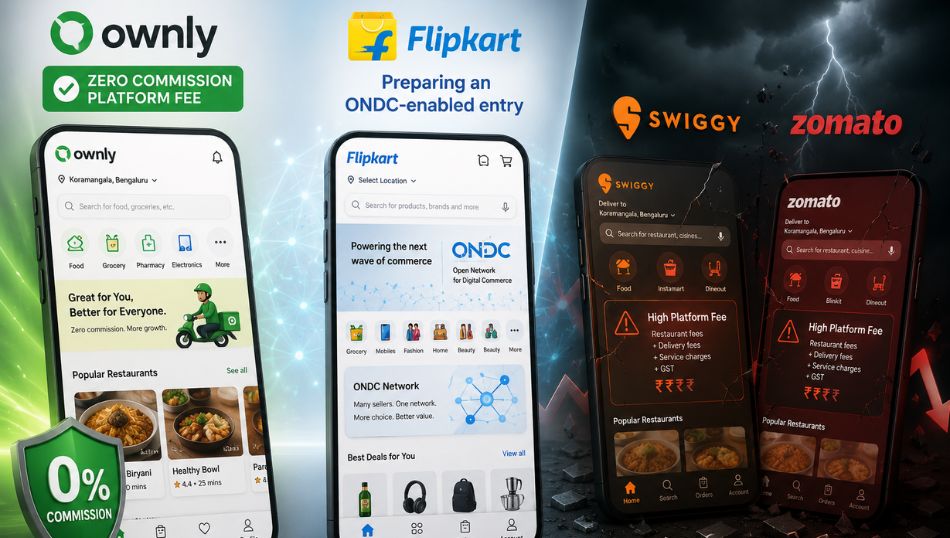
What was once the hottest trend in Indian food tech is now facing a harsh winter. Over the past year, highly publicized 10-minute food delivery pilots have quietly shut their doors. Swiggy shut down Snacc just a year after launch, Zomato pulled the plug on Zomato Quick within four months, and smaller startups like Zing ceased operations entirely.

Ankur Bisen analyzes the tough Q3 for India’s consumer durables sector in Livemint, discussing GST impacts, input costs, and the rise of all-season appliances.

Ankur Bisen analyzes the rise of quick home services in The CapTable, exploring the growth of Urban Company’s InstaHelp, competitors like Pronto, and the challenge of profitability.

Ut elit tellus, luctus nec ullamcorper mattis, pulvinar dapibus leo.